
PlayStation Pulse Headset Is Out November 19: $99.99 Price, Planar Drivers and How It Differs From Pulse Edge
The PlayStation Pulse headset launches November 19 for $99.99 / £89.99 / €99.99. Planar drivers, PlayStation Link, Bluetooth and how it compares to Pulse Edge.

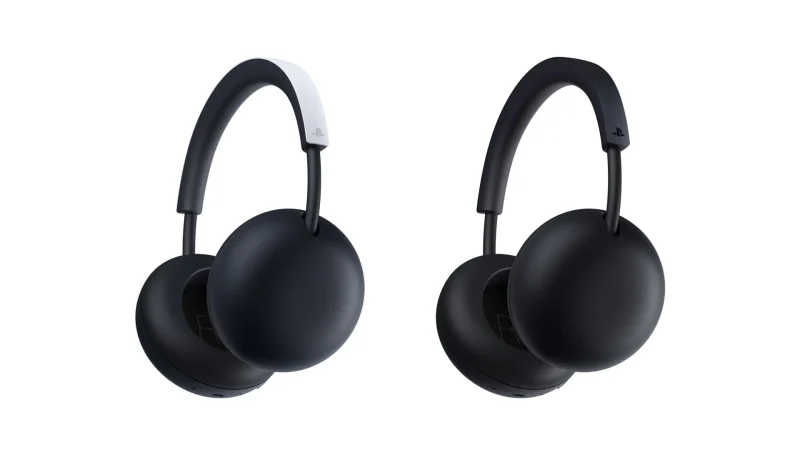
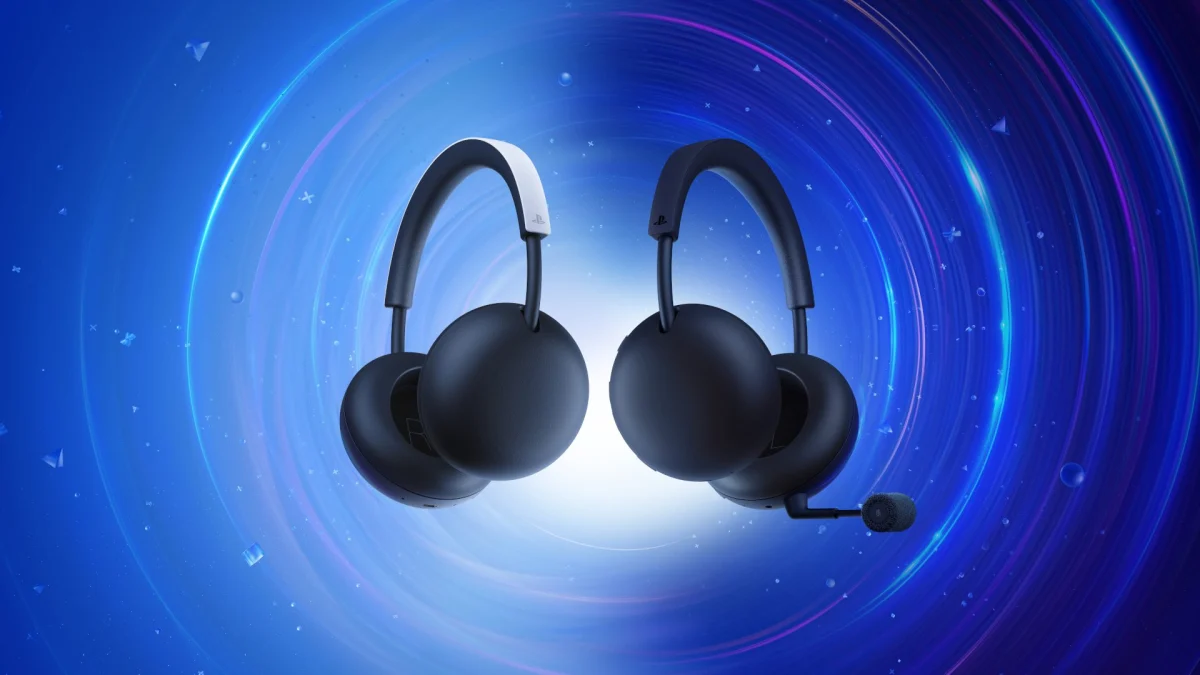
The PlayStation Pulse headset launches on Thursday, November 19, 2026, the same day as GTA 6, for $99.99 / £89.99 / €99.99. Sony's new wireless headset brings the planar magnetic drivers from the Pulse Elite to a lower price, with PlayStation Link and Bluetooth, in White and Midnight Black. Pre-orders opened on October 29, Sony said in its PlayStation Blog announcement.
PlayStation Pulse headset at a glance
| Release date | November 19, 2026 (select regions) |
| Price | $99.99 / £89.99 / €99.99 (¥15,980) |
| Colours | White, Midnight Black |
| Drivers | Planar magnetic, 4 magnets per driver |
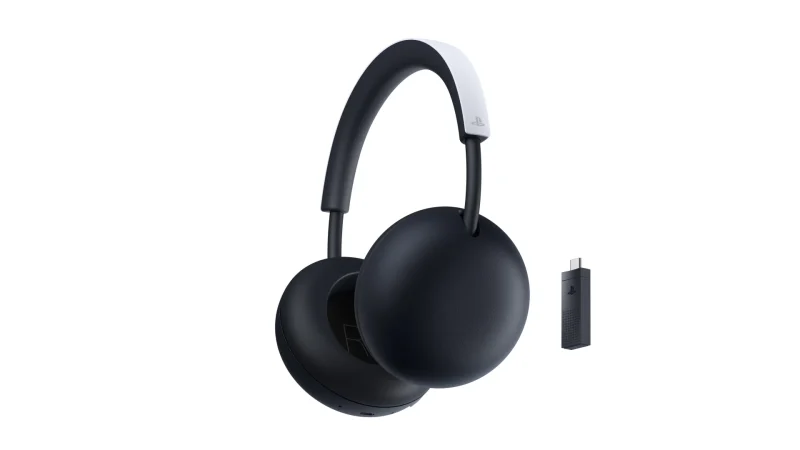
| Wireless | PlayStation Link (USB-C adapter included) plus Bluetooth at the same time |
| Works with | PS5, PlayStation Portal, PC, Mac |
| Mic | AI-enhanced noise rejection |
| Pulse Edge | Early 2027, price not announced |
When does the PlayStation Pulse headset come out?
November 19, 2026, in 24 countries including the US, UK, Canada, Australia, Japan, Ireland, France, Germany, Spain and Italy. Sony says more countries will follow. Pre-orders opened on October 29 at direct.playstation.com in the US and at PlayStation's store and participating retailers in the UK and Europe. It lands the same day as GTA 6.
How much is the PlayStation Pulse headset?
Sony's recommended price is $99.99 in the US, £89.99 in the UK, €99.99 in Europe and ¥15,980 in Japan.

What are the PlayStation Pulse headset's features?
- Planar magnetic drivers: studio-inspired drivers, now larger for fuller, deeper bass while keeping the Pulse Elite's clarity. Pulse uses 4 magnets per driver.
- PlayStation Link: lossless, ultra-low-latency wireless audio through the included USB-C adapter, switching between PS5, PlayStation Portal, PC and Mac.
- Bluetooth at the same time: stay connected to a supported phone or device while you play.
- AI-enhanced noise rejection on the microphone.
- Built-in volume control and rotating ear cups that lie flat for carrying.
What's the difference between Pulse and Pulse Edge?
Pulse Edge is the premium model, coming in early 2027 with no price yet. On top of everything in Pulse, it adds:
- 8 magnets per planar driver instead of 4.
- Active noise cancellation.
- A detachable boom mic, plus a hidden mic when the boom is off.
- Game and chat balance control for PS5, and an audio/mic jack.
- Premium materials and a carrying case.
Does the PlayStation Pulse headset work on PC?
Yes. Sony says PlayStation Link lets you switch between PS5, PlayStation Portal, PC and Mac using the USB-C adapter. Sony hasn't announced battery life, weight or charging details yet.
Watch the PlayStation Pulse reveal
Sony's images and details are on the official PlayStation Blog post. We couldn't find a dedicated official trailer for the Pulse headset.
More PlayStation and audio on iGame Magazine
- GTA 6 Release Date, Price, Editions, Pre-Load and Everything We Know: GTA 6, out the same day
- PlayStation Plus November 2026: Dead Island 2, Tomb Raider IV-VI Remastered and Monster Train 2: this month's PlayStation Plus games
- SteelSeries Arctis 9 Review: Still Worth Buying in 2026?: our SteelSeries Arctis 9 headset review
FAQ

David Ware is the Founder and Managing Editor of iGame Magazine. Since 2024 he has built igamemag.com into a trusted online destination for gamers and tech enthusiasts, covering the latest gaming news, in-depth game reviews, hardware and tech breakdowns, and practical guides.
How we write: every article is researched from official sources, such as developer posts, store pages and press releases, then fact-checked and edited by David Ware before it's published. We use AI tools to help with research and drafting.
Related on iGame
 GTA 6, out the same dayGTA 6 Release Date, Price, Editions, Pre-Load and Everything We KnowOct 10, 2026
 This month's PlayStation Plus gamesPlayStation Plus November 2026: Dead Island 2, Tomb Raider IV-VI Remastered and Monster Train 2Nov 6, 2026
 Our SteelSeries Arctis 9 headset reviewSteelSeries Arctis 9 Review: Still Worth Buying in 2026?Apr 23, 2024
 More Tech NewsWhere Did Camera Hub Go? Elgato Studio 2.0 Replaces It: What Facecam Owners Need to KnowNov 8, 2026
 More Tech NewsNintendo Switch 2 Sales Reach 26.35 Million: First-Half Sales Fall, but Nintendo Keeps Its 16.5 Million ForecastNov 7, 2026
 More Tech NewsNintendo Switch 2 Zelda 40th Anniversary Edition: Price, Triforce Design, Matching Pro Controller and StockNov 2, 2026