
What Is QSSR? PS5 AI Upscaling Explained, Supported Games and PSSR Differences
QSSR brings AI upscaling to the standard PS5. What it is, which games support it, how it differs from PS5 Pro's PSSR, and how to turn it on.

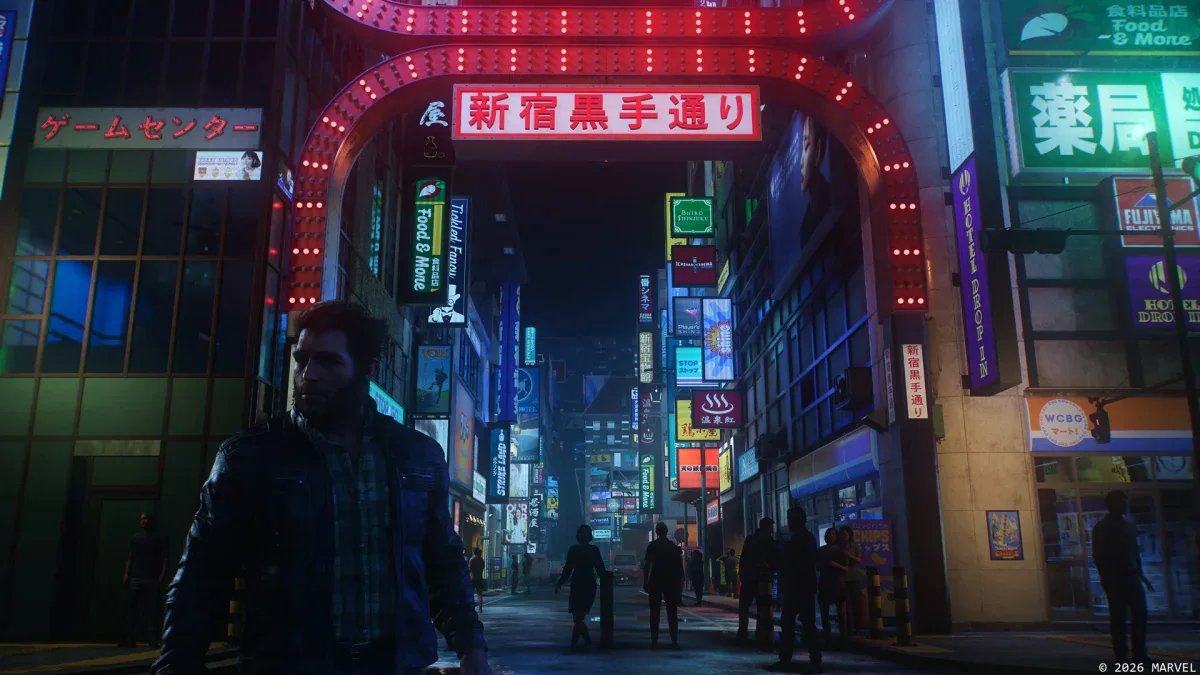
PS5 QSSR (Quick Spectral Super Resolution) is Sony's new AI upscaling for the standard PS5, announced on the PlayStation Blog on October 1, 2026. It's a lighter, faster version of PSSR, the AI upscaler that until now only the PS5 Pro could run, and it aims to give regular PS5 owners sharper, more stable images. Marvel's Wolverine and Ghost of Yōtei are the first games to support it, and both were patched the same day.
PS5 QSSR at a glance
| What it is | AI upscaling for the standard PS5, described by Sony as a new performance tier of AI upscaling |
| Announced | October 1, 2026 (PlayStation Blog) |
| Made by | Sony Interactive Entertainment, through Project Amethyst with AMD |
| First games | Marvel's Wolverine and Ghost of Yōtei |
| Consoles | PS5 (PS5 Pro keeps PSSR) |
| Cost | Free, delivered through game updates |
| More games? | Sony is offering it to all PlayStation developers; no other games announced yet |
What is QSSR on PS5?
Upscaling lets a game render at a lower resolution and then rebuild a sharper image, so it can run faster without looking blurry. Sony's PlayStation Spectral Super Resolution (PSSR) on the PS5 Pro does this with AI, analysing the image pixel by pixel. Sony says PSSR's computational demands made it impossible to bring to the standard PS5, until now.
QSSR is Sony's answer: a quick evolution of PSSR, born from Project Amethyst, Sony's AI graphics collaboration with AMD. According to Sony, it's built on two things: a streamlined neural network and a hand-tuned implementation that gets the most out of the PS5's hardware. The result, Sony says, is notable improvements to both image detail and image stability on PS5.
Which games support QSSR?
Two games support QSSR so far, both from PlayStation Studios:
- Marvel's Wolverine (Insomniac Games): QSSR arrived in update 1.002.000 on October 1, 2026. The patch notes, as reported by Push Square and MP1st, list QSSR as on by default on PS5.
- Ghost of Yōtei (Sucker Punch Productions): QSSR arrived in update 2.005 on October 1, 2026, the same day as the Complete Edition. MP1st reports that it's also on by default; Sucker Punch hasn't published a full changelog for it.
Sony says QSSR will be offered broadly to all PlayStation developers, and it expects to see it in many more games. No other games have been confirmed yet.
QSSR vs PSSR: what's the difference?
| QSSR | PSSR | |
|---|---|---|
| Console | Standard PS5 | PS5 Pro |
| Launched | October 2026 | November 2024 (with the PS5 Pro), upgraded in 2026 |
| Approach | A lighter, faster neural network tuned for PS5 | The full AI upscaler, using the PS5 Pro's dedicated AI hardware |
| Image quality | Better detail and stability than before on PS5 | Still the best, which Sony calls "the gold standard" on PS5 Pro |
In short, QSSR isn't PS5 Pro image quality on a standard PS5, but it brings some of PSSR's benefits to the console most people own. The studios' own descriptions back that up: Insomniac's Mike Fitzgerald says it brings "a great taste of the PS5 Pro experience" to PS5 players, and Sucker Punch says it resolves fine detail with a temporal stability that wasn't possible on PS5 before.
How does QSSR perform?
Sony hasn't published performance figures. Early testing by Digital Foundry found that the standard PS5 has no dedicated AI hardware like the PS5 Pro, so QSSR trades some accuracy for speed. In Marvel's Wolverine, the game lowers its internal resolution to make room for QSSR and ends up at a similar frame rate with better image quality, with more detail and less shimmering. In Ghost of Yōtei, QSSR ran at roughly the same frame rate as the game's existing FSR 3 upscaling in an uncapped performance test. Digital Foundry says more testing is needed, since only two games support it so far.
After the Ghost of Yōtei patch, some players reported crashes and stability problems. Sucker Punch released another update, 2.006, the next day without patch notes.
How do you turn on QSSR on PS5?
- Update the game to the latest version (Marvel's Wolverine 1.002.000 or later, Ghost of Yōtei 2.005 or later).
- Open the game's graphics settings. Sony describes QSSR as an additional graphics option in each supported game.
- In both games, QSSR is reported to be on by default on a standard PS5, so you may not need to change anything.
There's no system-wide QSSR setting: each game has to add it, as Insomniac and Sucker Punch have done.
Watch the official QSSR comparisons
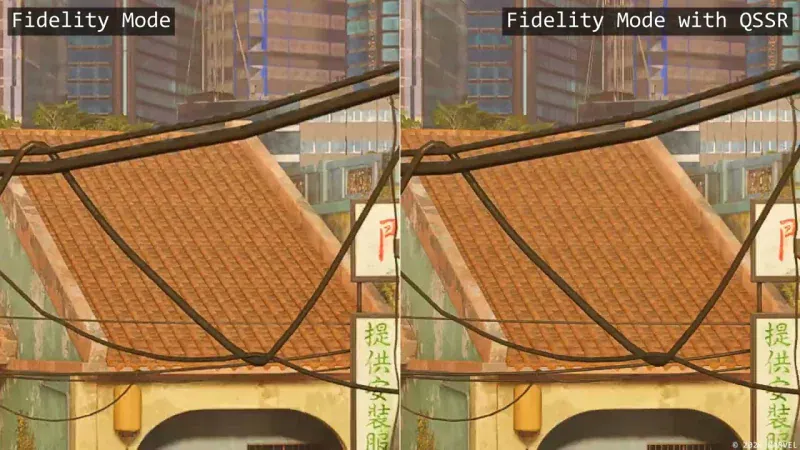
PlayStation published side-by-side videos for both games. The Marvel's Wolverine video compares Fidelity Mode with and without QSSR:
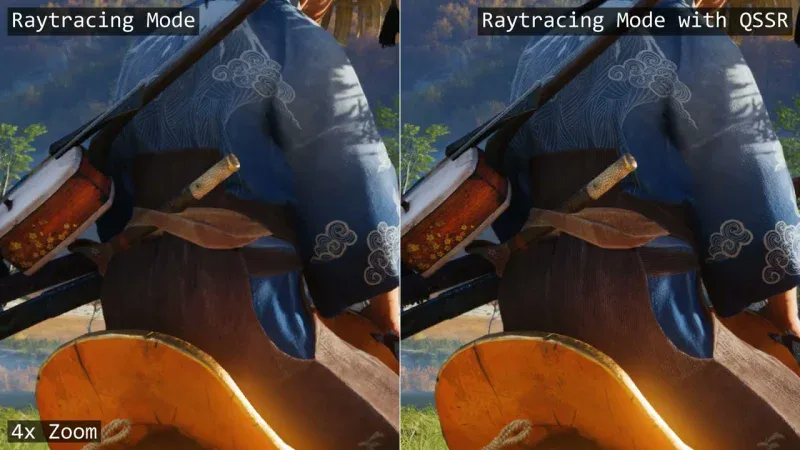
The Ghost of Yōtei video compares Ray Tracing Mode with and without QSSR, including 4x zoomed shots:
Do you still need a PS5 Pro?
If image quality is your top priority, the PS5 Pro still has the edge: PSSR remains Sony's best upscaler, and the Pro has the extra GPU power and dedicated AI hardware to back it up. But QSSR narrows the gap for free on the console you already own, and with Sony offering it to every PlayStation developer, more games should add it over time.
More PlayStation on iGame Magazine
- Marvel's Wolverine – one of the first two QSSR games
- The Witcher 3 Remastered – another 2026 upgrade with PS5 Pro modes
- Ghost of Yōtei – our original coverage of Sucker Punch's game
PS5 QSSR FAQ
David Ware is the Founder and Managing Editor of iGame Magazine. Since 2024 he has built igamemag.com into a trusted online destination for gamers and tech enthusiasts, covering the latest gaming news, in-depth game reviews, hardware and tech breakdowns, and practical guides.
How we write: every article is researched from official sources, such as developer posts, store pages and press releases, then fact-checked and edited by David Ware before it's published. We use AI tools to help with research and drafting.
Related on iGame
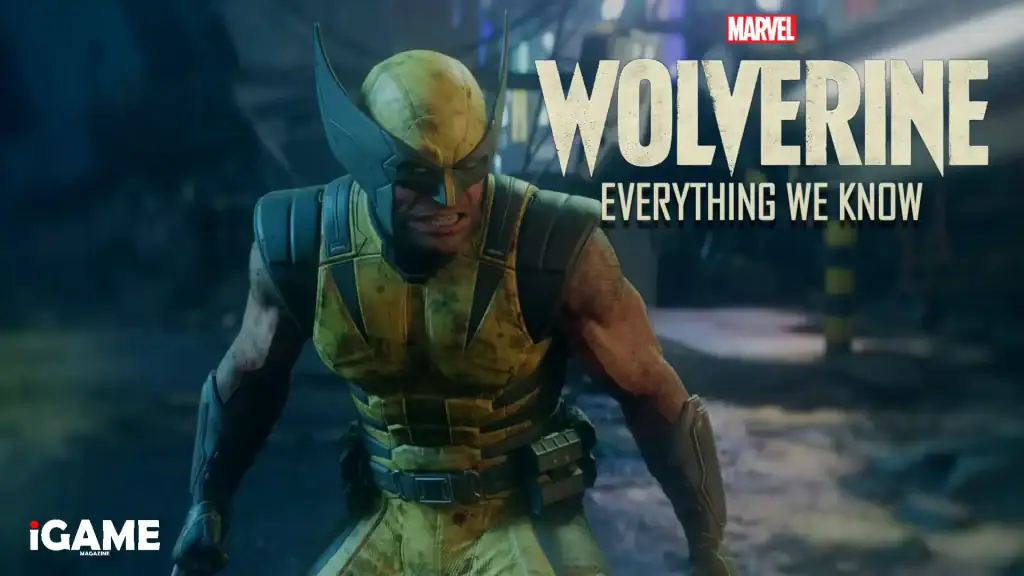 One of the first QSSR gamesMarvel’s Wolverine Release Date, Story, Gameplay and CharactersJul 24, 2026
  Another upgrade with PS5 Pro modesThe Witcher 3 Remastered: Out Now, Free Upgrade and PC RequirementsAug 26, 2026
 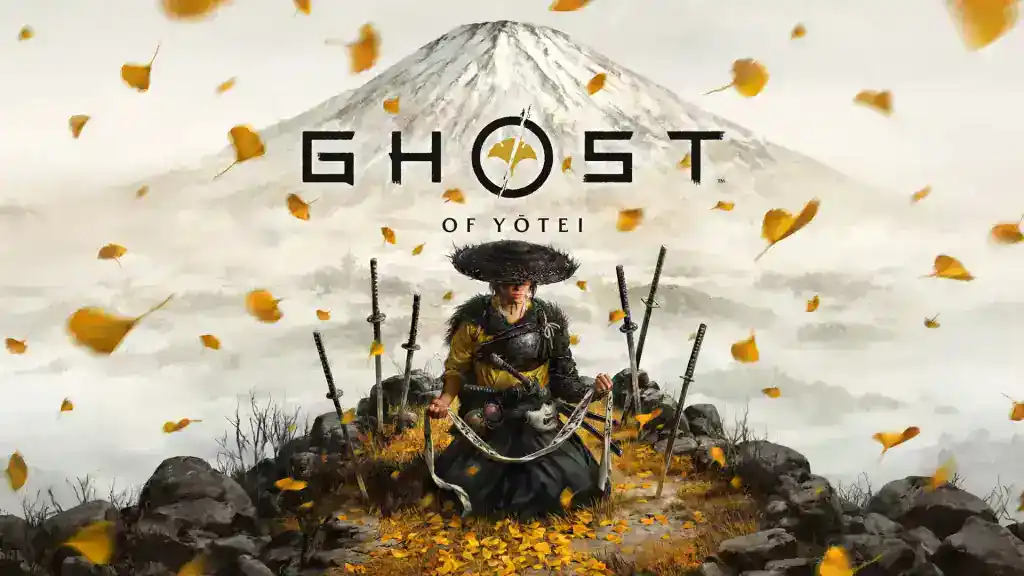 The other first QSSR gameGhost of Yōtei is Coming in 2025Sep 25, 2024
  More Tech NewsLogitech G PRO X3 SUPERSTRIKE: Price, Specs and the New PRO RangeOct 9, 2026
  More Tech NewsROG Xbox Ally X20 Release Date, Price and Specs: Out October 15Oct 9, 2026
  More Tech NewsXbox Series X25 Price, Release Date and What’s in the BoxOct 8, 2026