
Resonance: A Plague Tale Legacy Story and Timeline Explained: Where It Fits Before Requiem
The Resonance: A Plague Tale Legacy timeline explained: when it's set, who Sophia and Theseus are, and how it links to Requiem. No ending spoilers.
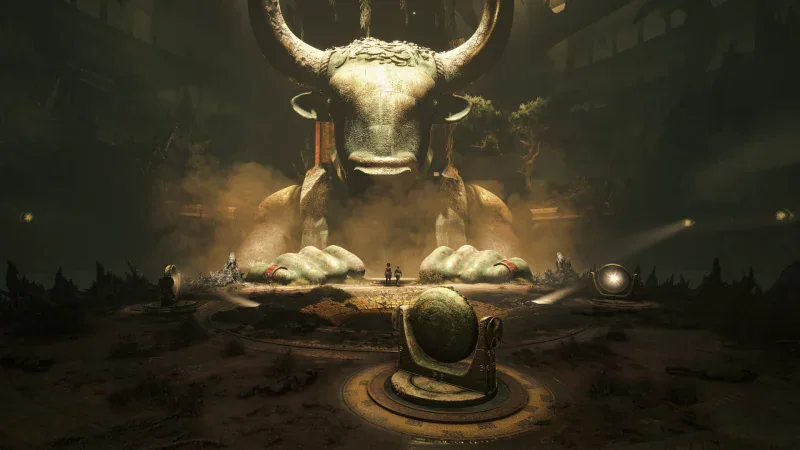
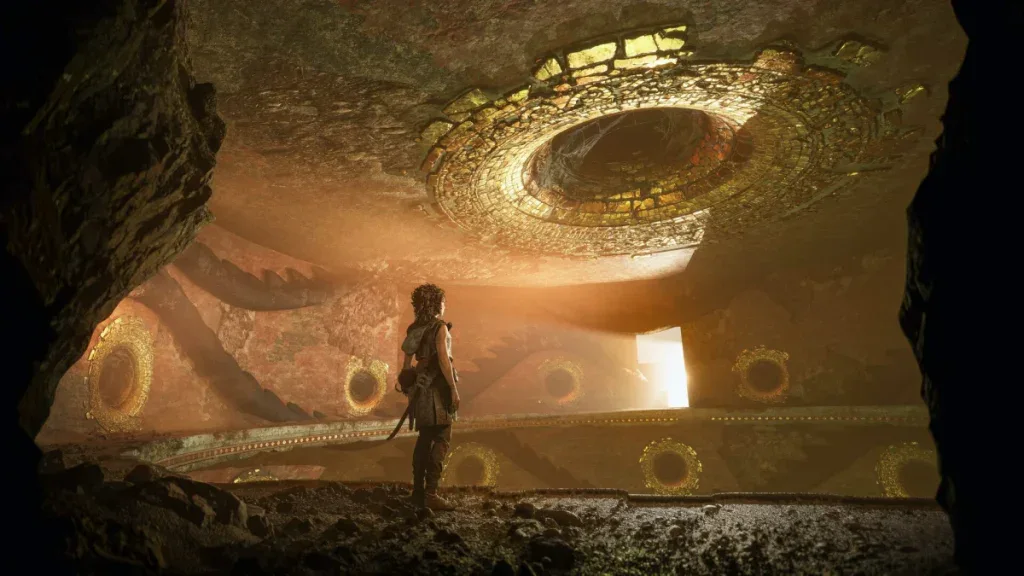
Where does Resonance fit in the Resonance: A Plague Tale Legacy timeline? It's a prequel, set 15 years before A Plague Tale: Requiem, in the early 14th century, and it tells the story of Sophia, the sailor who helps Amicia and Hugo in Requiem. Part of it also takes place around 2,000 years before Christ, in the ancient Minoan world of Theseus and the Minotaur.
This guide explains the setting, the characters and how Resonance connects to the rest of the series. There are no major spoilers for the ending: everything here comes from what Asobo Studio has said publicly or what you learn in the opening chapters.
Resonance: A Plague Tale Legacy timeline at a glance
| Ancient Crete, Minoan era | Around 2,000 BC. Theseus's story, played in flashbacks in Resonance |
| Sophia's childhood | The plunderers' camp led by her father Alec (shown in Resonance) |
| Resonance: A Plague Tale Legacy | Early 14th century, 15 years before Requiem. Sophia is 22 |
| A Plague Tale: Innocence | 1348, France. Amicia and Hugo de Rune |
| A Plague Tale: Requiem | Six months after Innocence. Amicia and Hugo meet Sophia |
When is Resonance set?
Asobo's official description says Resonance is "set 15 years before A Plague Tale: Requiem," and its developer blog places the main story "in the early 14th century." Sophia is 22 years old. The game also flashes back to her childhood in the plunderers' camp where she grew up, led by her father, Alec.
The other half of the story happens thousands of years earlier, during the Minoan civilization on Crete, "around 2,000 years before Christ," according to Asobo's art and writing team.
Who is Sophia?
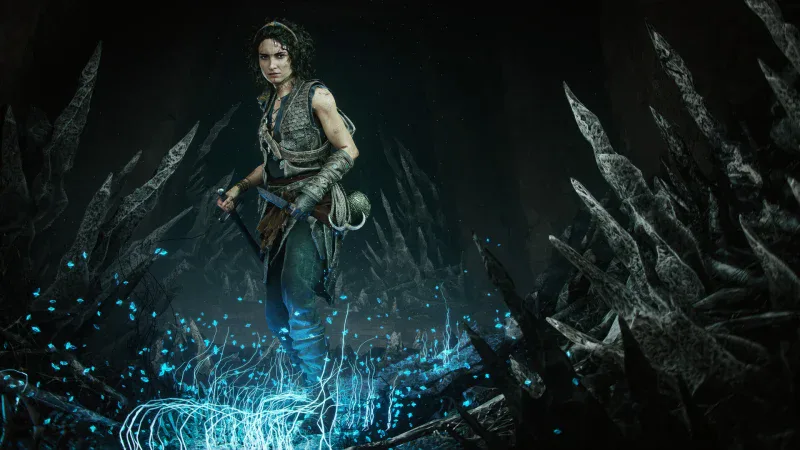
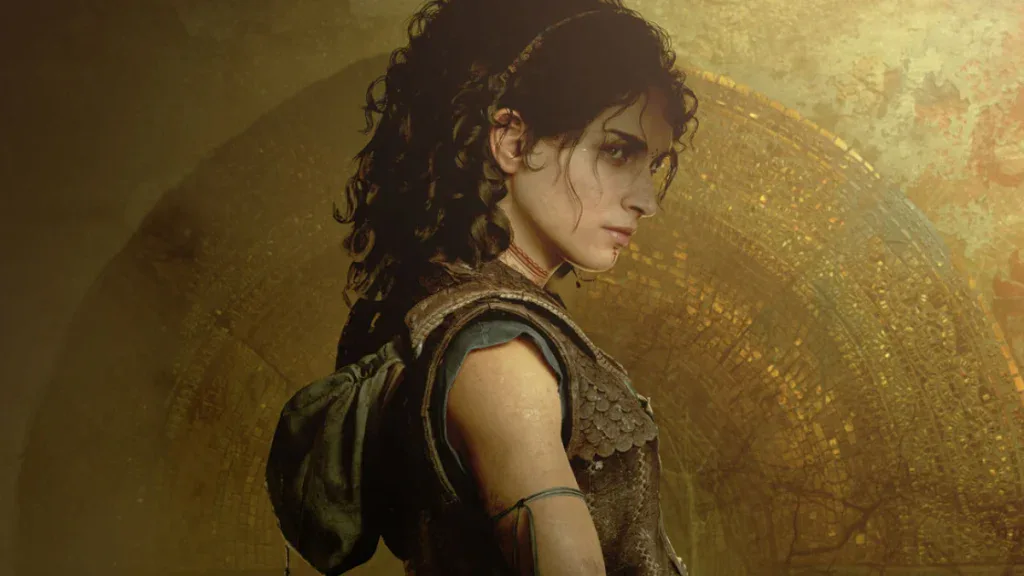
Sophia first appeared in A Plague Tale: Requiem as a kind, level-headed sailor who helps Amicia and Hugo reach the island they're searching for. Requiem only hinted at her past: she'd been placed in a convent by her mother's family, escaped, and found her father again.
Resonance fills that in. Here, Sophia is a young, hot-headed plunderer and smuggler nicknamed "the Scorpion of the Seas", a skilled fighter raised in a violent world. Asobo's lead writer describes her as relentless and loyal but unwilling to show vulnerability. Anna Demetriou, who voiced Sophia in Requiem, returns and also performs her motion capture.
What is the story of Resonance about?
The game opens with a heist in Venice that goes badly wrong. Fleeing her father's old gang of bandits, Sophia sets out for the place that has been calling to her since childhood: the legendary Minotaur's Island, hidden somewhere in the Mediterranean. Her friend Leni goes with her, and plenty of enemies follow, each hoping to claim a mysterious treasure.
On the island, Sophia finds a Minoan sphere that controls light, a force Asobo says was "woven by Daedalus into the island's very heart." She also starts experiencing flashbacks to the Minoan era, and realizes the presence resonating inside her is the hero Theseus. Through his eyes, you face even more brutal trials, while a terrifying creature hunts both of them across the centuries.
How does Resonance use the Minotaur myth?
In the Greek myth, King Minos of Crete has the architect Daedalus build a labyrinth to hide the Minotaur, half man and half bull. Each year, Athens must send young people to be fed to it, until Theseus volunteers, kills the beast and escapes using a thread given to him by Minos's daughter, Ariadne.
Asobo's blog teases where Resonance picks up: "Resonance begins the moment the thread vanishes, and nothing guarantees the way back…" The game treats Theseus and Sophia as two sides of the same story, both stubborn and both turning to violence to control their fate, and its themes are family, loyalty and betrayal.
How does Resonance connect to Innocence and Requiem?
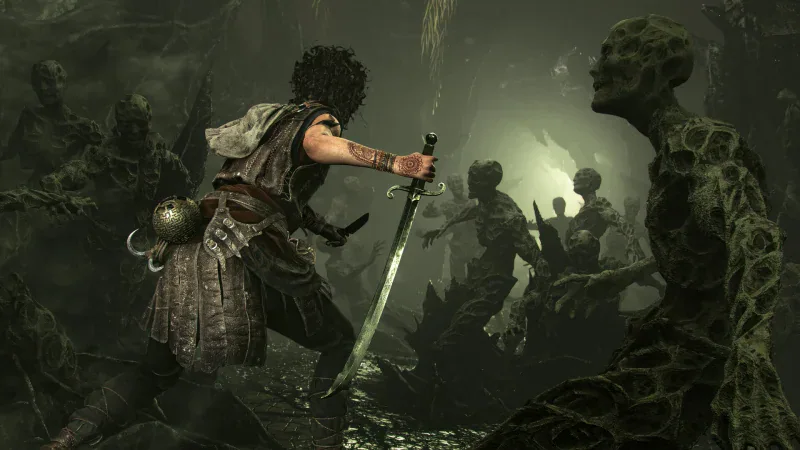
The link is the Macula, the curse at the heart of the whole series that Hugo carries in Innocence and Requiem. Asobo says Resonance uncovers "the untold origins of the Macula" and that, as its developer blog puts it, "Requiem wasn't Sophia's first encounter with the Macula." It also explains why the Sophia we meet in Requiem is so determined to avoid violence.
Despite all that, Asobo is clear that you don't need to have played Innocence or Requiem first. Resonance is a self-contained story, with "plenty of surprises for the fans of the series."
Should you play Resonance before or after Requiem?
Either works, and the Resonance: A Plague Tale Legacy timeline makes both orders sensible. If you've never played the series, Resonance is a good starting point because it's the earliest story in the timeline and it stands on its own. If you've already played Requiem, you'll get more out of Sophia's story and the links to the Macula. Our advice: if you're new, start with Resonance, then go back for Innocence and Requiem.
For our verdict on the game itself, read our Resonance: A Plague Tale Legacy review.
More Resonance: A Plague Tale Legacy on iGame Magazine
- Resonance: A Plague Tale Legacy review – our verdict after playing it to the end
- How long is Resonance: A Plague Tale Legacy? – length, chapters and difficulty
- Resonance story and timeline explained – where it fits before Innocence and Requiem
- Resonance PC requirements and Steam Deck – specs, performance and fixes
- Is Resonance on Game Pass? – price, editions and platforms
Resonance: A Plague Tale Legacy story FAQ

David Ware is the Founder and Managing Editor of iGame Magazine. Since 2024 he has built igamemag.com into a trusted online destination for gamers and tech enthusiasts, covering the latest gaming news, in-depth game reviews, hardware and tech breakdowns, and practical guides.
How we write: every article is researched from official sources, such as developer posts, store pages and press releases, then fact-checked and edited by David Ware before it's published. We use AI tools to help with research and drafting.
Related on iGame
 Our verdict on the gameResonance: A Plague Tale Legacy Review: Beautiful, Gripping and Over Too SoonOct 19, 2026
 How long it takes to beatHow Long Is Resonance: A Plague Tale Legacy? Length, Chapters and Difficulty ExplainedOct 19, 2026
 PC specs and Steam DeckResonance: A Plague Tale Legacy PC Requirements, Steam Deck and Performance FixesOct 19, 2026
 Price, editions and Game PassIs Resonance: A Plague Tale Legacy on Game Pass? Price, Editions and PlatformsOct 19, 2026
 Another story-driven gameThe Witcher 3 Remastered: Out Now, Free Upgrade and PC RequirementsAug 26, 2026
 Another myth-inspired action gamePhantom Blade Zero Release Date, Launch Time, Price and PC RequirementsOct 7, 2026