

Romestead Early Access Release Brings Roman Survival Adventure to Steam
Romestead Early Access release is now live on Steam, bringing co-op survival, farming, town building, and Roman mythology to PC players.
The Romestead Early Access release has officially arrived, giving survival fans a brand-new world to explore. Developed by Beartwigs and published by Three Friends, Romestead combines farming, town building, exploration, combat, and Roman mythology into a unique co-op survival experience.
Now available on Steam Early Access, players can venture into a world where the Roman Empire has fallen and the dead roam the land after dark. Whether you prefer playing alone or with friends, Romestead aims to deliver a fresh take on the survival genre.
For players looking for their next long-term survival adventure, the Romestead Early Access release may be one of the most interesting launches of 2026.
What Is the Romestead Early Access Release?
The Romestead Early Access release marks the beginning of the game's journey toward a full launch. Players are dropped into a procedurally generated world inspired by Roman culture and mythology, where survival depends on gathering resources, constructing buildings, and defending your settlement from growing threats.
Unlike many survival games that focus purely on combat or crafting, Romestead blends several genres together. Farming crops, managing resources, exploring dangerous locations, and expanding your town all play an important role in progression.
The game supports between one and eight players, allowing groups to work together as they rebuild civilisation from the ruins of a fallen empire.
Why the Romestead Early Access Release Is Generating Attention
One reason the Romestead Early Access release has attracted attention is its unique setting. While survival games often lean into fantasy or post-apocalyptic themes, Romestead uses Roman mythology and history as the foundation for its world.
As players progress, they can recruit new citizens to join their settlement. These NPCs help expand your town and unlock additional opportunities for growth. Over time, your small camp can evolve into a thriving community.
The game also features a progression system tied to Roman gods. Players can make offerings and earn divine favour, unlocking powerful benefits that help them survive the increasingly dangerous world around them.
This combination of survival mechanics, mythology, and town management helps Romestead stand out from many recent releases.
Farming, Building, and Exploration Take Centre Stage
The Romestead Early Access release delivers a wide variety of activities beyond simple survival.
During the day, players can focus on farming, gathering materials, constructing buildings, and improving their settlement. Resource management becomes increasingly important as your town expands and new citizens arrive.
Exploration also plays a major role. The world contains dungeons, hidden treasures, rare resources, and dangerous enemies waiting to be discovered. Players who venture further from home will uncover new opportunities as well as greater risks.
Combat becomes especially important after sunset. When darkness falls, undead enemies emerge and begin threatening everything you've built. Proper preparation is essential if you want your settlement to survive the night.
Co-Op Survival Makes Romestead Even Better
One of the strongest features included in the Romestead Early Access release is its multiplayer support.
Up to eight players can work together on the same world, allowing groups to divide responsibilities based on their preferred playstyles. Some players may focus on farming and crafting while others explore dungeons, gather resources, or defend the settlement from attacks.
This flexibility gives Romestead a cooperative feel similar to some of the most popular survival games on Steam. Fans of titles such as Valheim, Core Keeper, Terraria, and Stardew Valley may find plenty to enjoy here.
Playing with friends also helps speed up progression, making larger settlements and more ambitious projects possible much earlier.
A Promising Start for Early Access
The Romestead Early Access release arrives with significant momentum behind it.
The game generated hundreds of thousands of wishlists before launch and attracted strong interest during Steam Next Fest. That early attention helped establish Romestead as one of the more anticipated indie survival releases of the year.
The launch version introduces additional content beyond what players experienced during previous demos. New biomes, expanded NPC systems, additional progression mechanics, and more challenging encounters give players plenty of content to explore from day one.
The developers have also confirmed plans to continue expanding the game throughout Early Access, with additional features and community feedback helping shape future updates.
Is the Romestead Early Access Release Worth Playing?
For survival fans searching for something different, the answer is yes.
The Romestead Early Access release combines familiar survival systems with a setting that feels genuinely fresh. The mix of farming, town building, dungeon exploration, mythology, and co-op gameplay creates an experience that stands apart from many competitors.
Like any Early Access title, there will be balancing changes, bug fixes, and new features added over time. However, the foundations already appear strong, and the game's growing community suggests it has significant long-term potential.
Players looking for a new co-op survival game in 2026 should keep Romestead firmly on their radar.
Final Verdict
The Romestead Early Access release delivers a strong foundation for what could become one of the standout survival games of the year.
Its combination of settlement building, farming, exploration, and Roman mythology gives it a unique identity within a crowded genre. Add in support for up to eight players and a clear roadmap for future development, and there is plenty of reason to be excited.
Whether you're planning to rebuild Rome alone or alongside friends, Romestead offers an ambitious new adventure that is well worth watching as Early Access continues to evolve.
Related Articles
- Soulmask 1.0 & Shifting Sands DLC
- TERRARIA 1.4.5 ‘BIGGER AND BOULDER’ UPDATE
- DayZ Update 1.29 — The Complete Guide: Patch Notes, New Content & What’s Next for 2026
Useful Links
- Official Romestead Website
- Romestead Steam Store Page
- Steam Early Access Information
- Romestead Community Hub
- Romestead Discussions Forum
- Three Friends Official Website
- Steam Next Fest Information
Watch the Romestead trailer
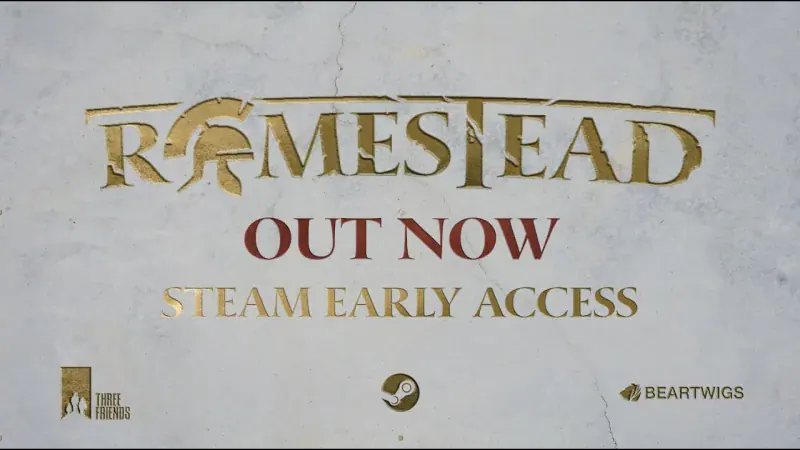
Early Access Launch Trailer – official video from Three Friends on YouTubeImage: Three Friends

David Ware is the Founder and Managing Editor of iGame Magazine. Since 2024 he has built igamemag.com into a trusted online destination for gamers and tech enthusiasts, covering the latest gaming news, in-depth game reviews, hardware and tech breakdowns, and practical guides.
How we write: every article is researched from official sources, such as developer posts, store pages and press releases, then fact-checked and edited by David Ware before it's published. We use AI tools to help with research and drafting.
Related on iGame
 More Game NewsFootball Manager 27 Release Date Confirmed: 10 November, Platforms, Launch Preview and New FeaturesOct 17, 2026
 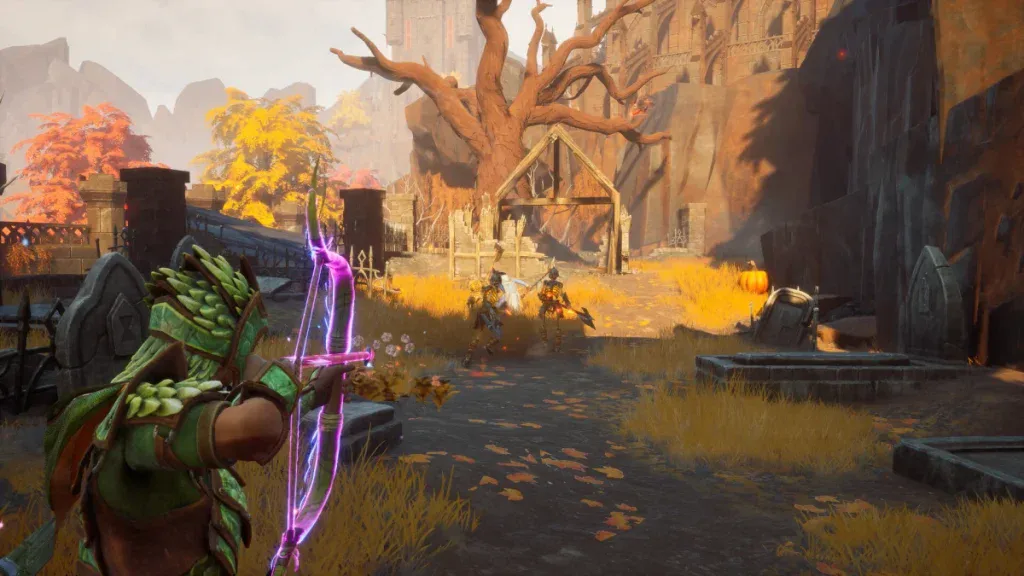 More Game NewsDragonwilds 1.0.1 Is Live: Jump Attacks, Ranged Specials, Bigger Inventory and the Save Fixes ExplainedOct 17, 2026
 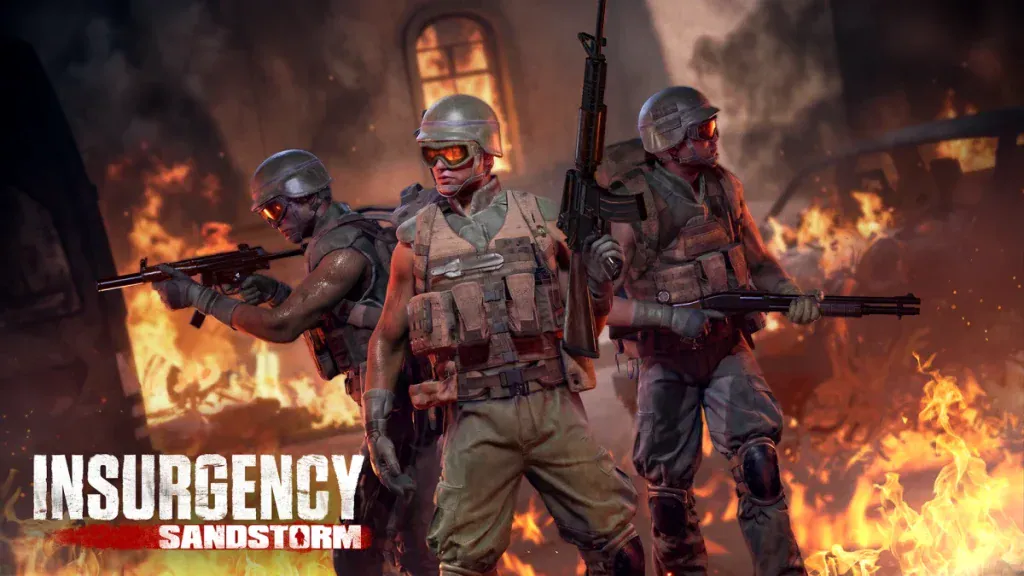 More Game NewsInsurgency: Sandstorm Operation: Echoes Is Out – UM45 and MP40 Return, Map Overhauls and Update 1.22 Patch NotesOct 16, 2026
 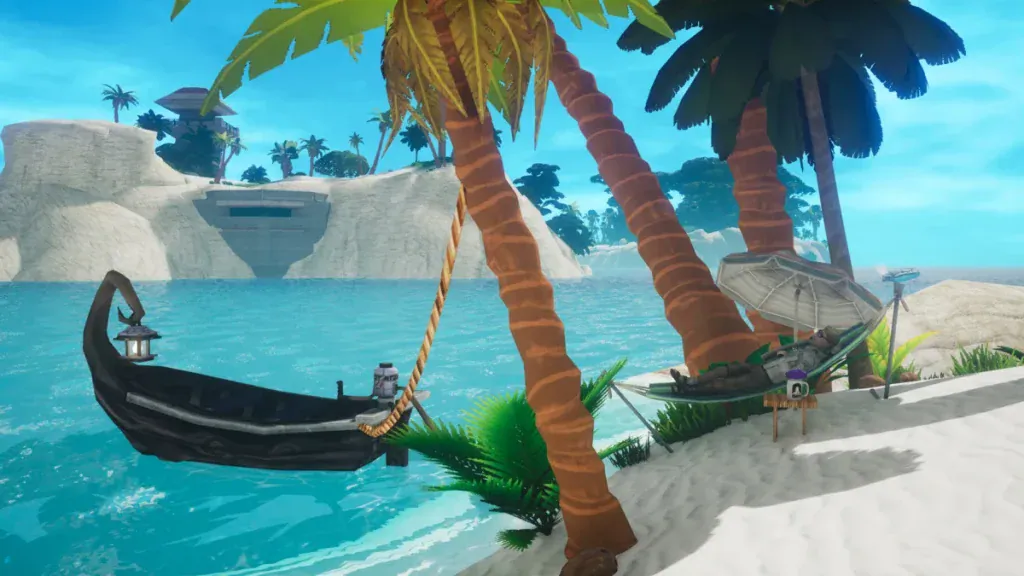 More Game NewsAbiotic Factor’s Year 2 Roadmap: Official Mods, a Winter Update and Entropic Break in 2027Oct 16, 2026
  More Game NewsOnce Human: Isles of Abyss Sets Sail 21 October – Ships, Diving and a 21-Day Ocean ScenarioOct 16, 2026
  More Game NewsSquad Is Coming to PS5 and Xbox – Free PS5 Alpha Starts TodayOct 16, 2026