
Sol One Is Out Now in Early Access: Stranded on Mars, You Have to Build a Rocket to Get Home
Sol One is out now in Steam Early Access. A science-driven Mars survival game: mine, farm and build life support, then a rocket home. Price inside.

Sol One is out now: it launched in Steam Early Access on Monday 16 November 2026, priced £10.99 / $13.99 / €12.99 (15% launch discount: £9.34 / $11.89 / €11.04). It's a first-person open-world survival game on Mars that tries to get the science right: your crew has left you behind, and the only way home is a rocket you have to build yourself. It's made by a solo developer, yeetgench, and its wishlists jumped from about 5,000 to more than 25,000 after Steam Next Fest, then passed 50,000 just before launch. The developer warned there may be "some rough edges at release" and said the first money Sol One makes will pay for professional German, Russian and French translations, rather than AI translation.
Sol One at a glance
| Release date | Out now: 16 November 2026 (Steam Early Access) |
| Platform | PC (Windows) on Steam |
| Developer / publisher | yeetgench (solo developer) |
| Players | Single-player |
| Setting | Mars, infinite procedurally generated terrain |
| Price | £10.99 / $13.99 / €12.99 (15% launch discount: £9.34 / $11.89 / €11.04) |
When is the Sol One release date?
It launched on Monday 16 November 2026, three days late: on 13 November the developer moved it from that day after final testing turned up crashes and problems with saving and loading, saying he didn't want anyone's first hours to end in a crash or a lost save. Sol One originally aimed for August, and the developer apologised in October for letting that date slip quietly without an announcement, explaining that the game wasn't ready.
How do you survive in Sol One?
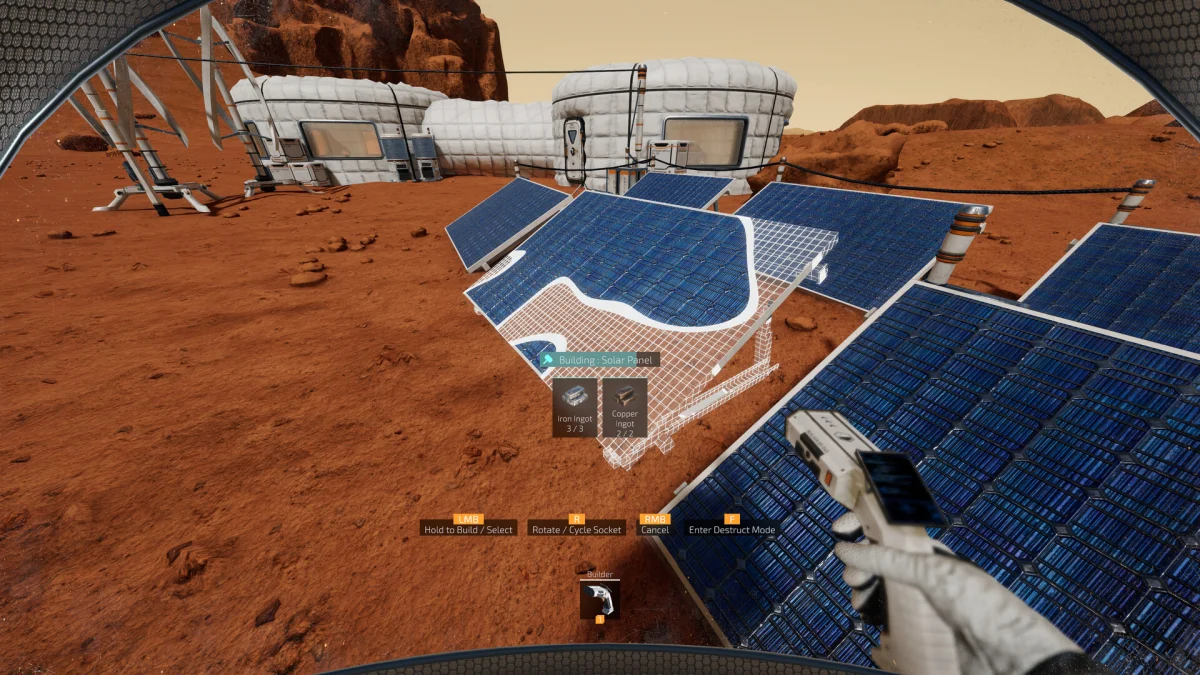
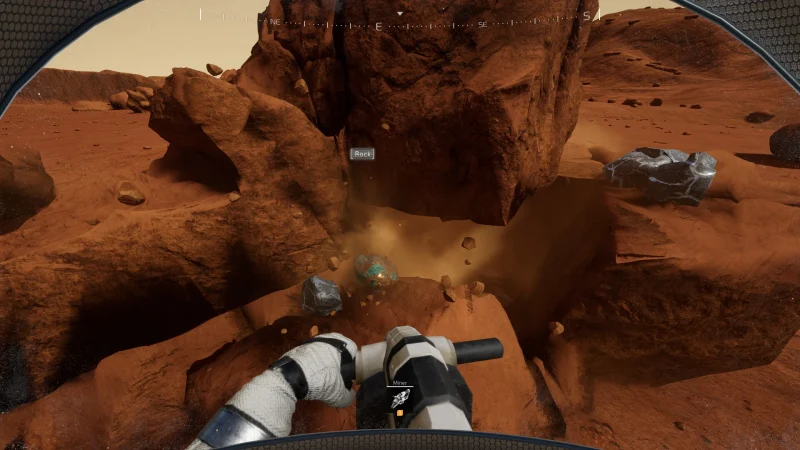
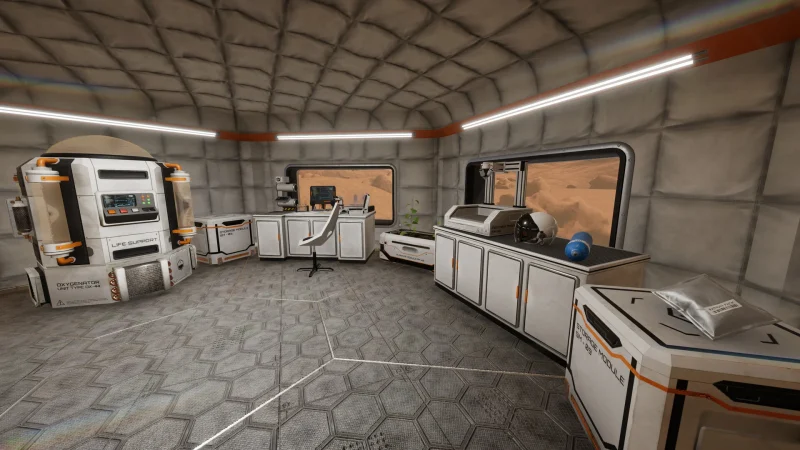
Your oxygen, power and food all come from machines you set up and maintain, and they depend on each other, so a failure anywhere is felt everywhere. You mine iron, copper, silica, ice and uranium, run them through smelters and fabricators across three crafting tiers, and turn a cramped shelter into a pressurised base on a power grid you lay out.

What makes Sol One's Mars dangerous?
Deep canyons, craters, mountains and rough regolith, plus dust storms that roll in over the ridge, cut your solar power and visibility, and wipe out your safety margins until they pass. The October update rebuilt the terrain generation from scratch and added a full day and night cycle, with a blue Martian sunset.
Can you farm in Sol One?
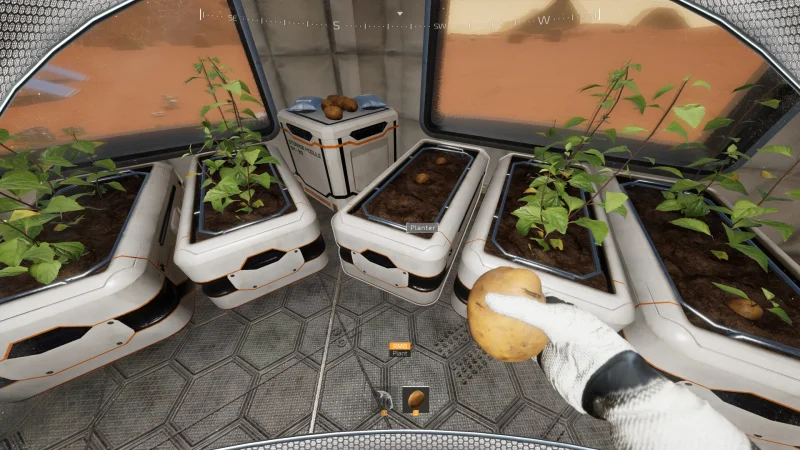
Yes. You grow your own food, and because every crop is also a seed, you're always deciding whether to eat it or plant it.

Can you explore in Sol One?
Yes. Drive across the surface, or send an autonomous rover ahead to scout and haul. Crashed spacecraft, old landing sites and abandoned bases hold materials, parts and clues about what happened before you arrived. The goal is always the same: build a rocket that flies, and go home.
What are the Sol One PC requirements?
Minimum: Windows 10/11 64-bit, an AMD Ryzen 5 1600 or equivalent, 8 GB of RAM, an RX 580 or GTX 1060, and 4 GB of storage. It's single-player and in English.
Watch the Sol One trailer

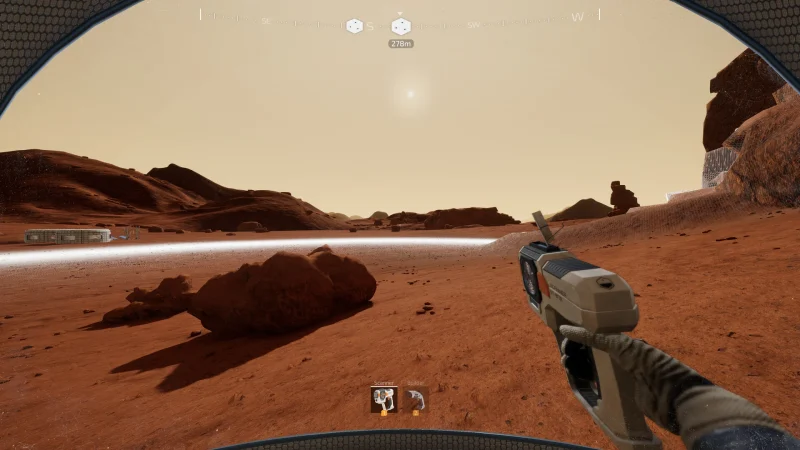
The official Sol One trailer plays at the top of its Steam store page.
More survival games on iGame Magazine
- Does Subnautica 2 Have Dedicated Servers? Multiplayer, Crossplay and Co-op Explained: another big survival-crafting game
- Satisfactory Update 1.2 Release Is Live With Weather and New Features: another factory-building game
- The Best Survival Games of 2026 So Far, Ranked by Players and Critics: this year's best survival games
FAQ

David Ware is the Founder and Editor-in-Chief of iGame Magazine. Since 2024 he has built igamemag.com into a trusted online destination for gamers and tech enthusiasts, covering the latest gaming news, in-depth game reviews, hardware and tech breakdowns, and practical guides.
How we write: every article is researched from official sources, such as developer posts, store pages and press releases, then fact-checked and edited by David Ware before it's published. We use AI tools to help with research and drafting.
Related on iGame
 Another big survival-crafting gameDoes Subnautica 2 Have Dedicated Servers? Multiplayer, Crossplay and Co-op ExplainedOct 17, 2026
 Another factory-building gameSatisfactory Update 1.2 Release Is Live With Weather and New FeaturesJun 2, 2026
 The best survival games of 2026The Best Survival Games of 2026 So Far, Ranked by Players and CriticsOct 27, 2026
 More Game NewsHalo: Campaign Evolved Is Getting Firefight for Free This Winter: 4-Player Co-op Waves, New Maps and Halo Fest DetailsNov 19, 2026
 More Game NewsMLB The Show 27 First Details: The Tech Test Returns in the New Year and Now & Later Packs Are BackNov 19, 2026
 More Game NewsNintendo Black Friday 2026: Switch 2 Mario Kart World Bundle for $499.99, $20 Off Metroid Prime 4 and Donkey Kong BananzaNov 19, 2026