
Nintendo Switch 2 Sales Reach 26.35 Million: First-Half Sales Fall, but Nintendo Keeps Its 16.5 Million Forecast
Nintendo sold 6.49 million Switch 2 consoles from April to September, taking it to 26.35 million, and kept its 16.5 million forecast. The official numbers.
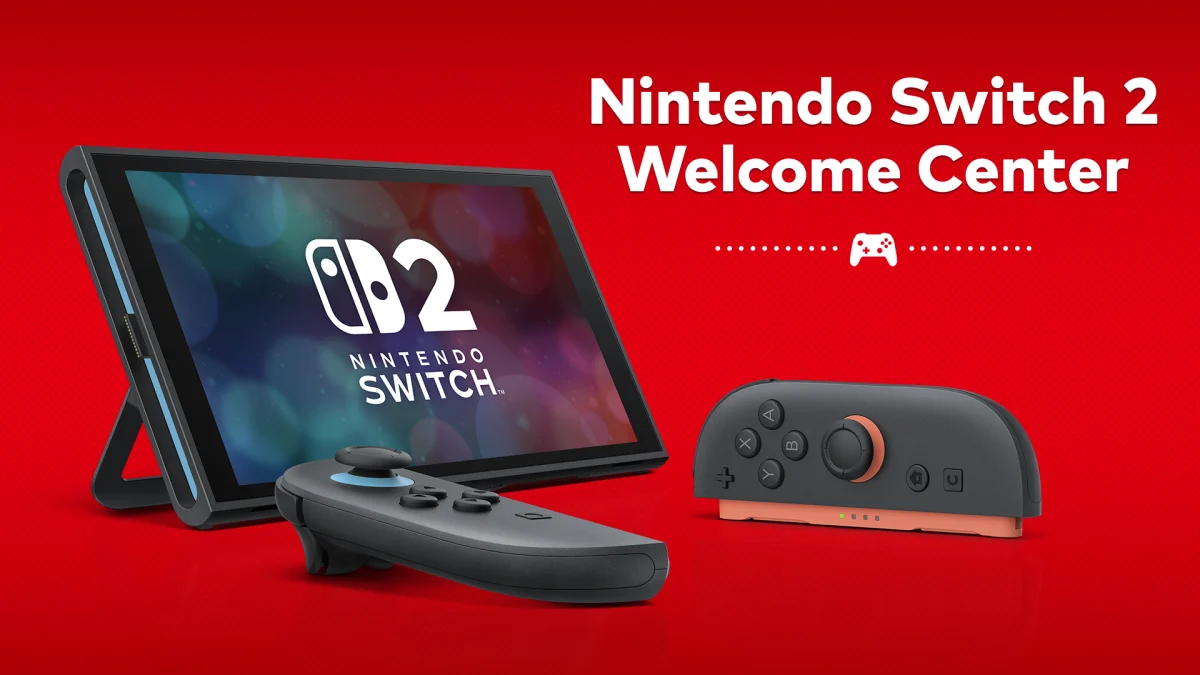
Image: NintendoSwitch 2 sales have reached 26.35 million consoles. Nintendo's results for April to September 2026, released on 5 November, show it shipped 6.49 million Switch 2 consoles in the half, down 37.4% on the launch period a year earlier, but software sales rose and Nintendo kept its full-year forecast of 16.5 million.
Nintendo Switch 2 sales at a glance
| April–September 2026 | 6.49 million (down 37.4% from 10.36 million) |
| July–September 2026 | 2.67 million |
| April–June 2026 | 3.82 million |
| Total since launch | 26.35 million (19.86 million last fiscal year + 6.49 million) |
| Switch 2 software (Apr–Sep) | 24.49 million (up 18.8%) |
| Full-year forecast | 16.5 million hardware, 60 million software (unchanged) |
| Original Switch (Apr–Sep) | 1.27 million hardware, 65.73 million software |
How many Switch 2 consoles has Nintendo sold?
26.35 million in total. Nintendo sold 19.86 million in its last fiscal year, which included the June 2025 launch, and 6.49 million more from April to September 2026. These are sell-in figures: units Nintendo sold to shops and direct to customers.
Why are Switch 2 sales down?
The comparison is with the launch months, when Nintendo shipped 10.36 million Switch 2 consoles from April to September 2025. Nintendo said that although unit sales fell, "many consumers continued to adopt the system, spurred on by factors like the release of new titles". Quarterly shipments were 3.82 million from April to June and 2.67 million from July to September.
Did Nintendo lower its Switch 2 forecast?
No. Nintendo's document says the full-year forecast "remains unchanged" from 8 May: 16.5 million Switch 2 consoles and 60 million Switch 2 games for the year to March 2027. Some reports this week gave different figures, including a higher forecast. Nintendo's own results don't support those. Hitting 16.5 million means shipping about 10 million more between October and March, over the holiday season.
What were Nintendo's best-selling games this half?
Nintendo named these million-sellers for April to September:
- Tomodachi Life: Living the Dream: 8.81 million
- Rhythm Heaven Groove: 2.89 million
- Splatoon Raiders: 2.42 million
- Mario Kart World: 1.78 million more, after launching last year
Tomodachi Life and Rhythm Heaven Groove are Nintendo Switch games, which also play on Switch 2; Splatoon Raiders and Mario Kart World are Switch 2 games.
How did Nintendo do overall?
Net sales fell 12.1% to 966.0 billion yen, but operating profit rose 49.1% to 216.5 billion yen. That jump was helped by software sales, the weak yen and about $300 million of refunds of US tariffs. Digital sales rose 60.5% to 249.6 billion yen, 60.7% of software sales. IP income, including The Super Mario Galaxy Movie, almost doubled to 62.7 billion yen.
What's next for Switch 2?
The holiday line-up includes the Ocarina of Time remake, which reviewed well (see our review roundup), and the Zelda 40th Anniversary Edition console. There's no trailer for a results report; Nintendo's full documents are on its investor relations site.
More Nintendo on iGame Magazine
- Zelda: Ocarina of Time Switch 2 Reviews: Critics Call the Remake the Best Way to Play a Classic: Ocarina of Time Switch 2 reviews
- Zelda: Ocarina of Time on Switch 2 Is Out Now: Price, What’s New and the Ocarina You Can Hum Into: Ocarina of Time on Switch 2
- Nintendo Switch 2 Zelda 40th Anniversary Edition: Price, Triforce Design, Matching Pro Controller and Stock: the Zelda 40th Anniversary Edition console
FAQ

David Ware is the Founder and Managing Editor of iGame Magazine. Since 2024 he has built igamemag.com into a trusted online destination for gamers and tech enthusiasts, covering the latest gaming news, in-depth game reviews, hardware and tech breakdowns, and practical guides.
How we write: every article is researched from official sources, such as developer posts, store pages and press releases, then fact-checked and edited by David Ware before it's published. We use AI tools to help with research and drafting.
Related on iGame
 Ocarina of Time Switch 2 reviewsZelda: Ocarina of Time Switch 2 Reviews: Critics Call the Remake the Best Way to Play a ClassicNov 5, 2026
 Ocarina of Time on Switch 2Zelda: Ocarina of Time on Switch 2 Is Out Now: Price, What’s New and the Ocarina You Can Hum IntoNov 2, 2026
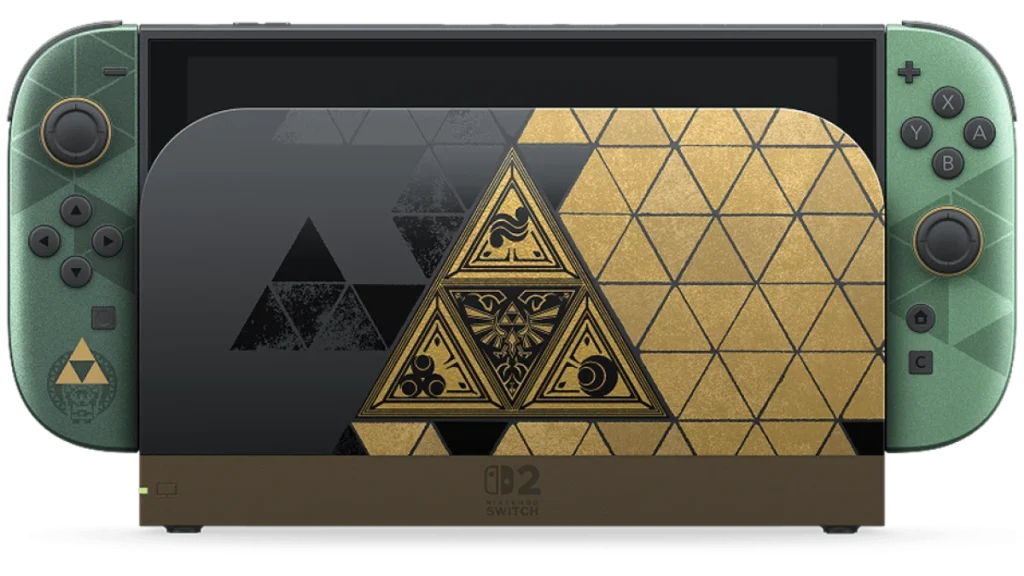 The Zelda 40th Anniversary Edition consoleNintendo Switch 2 Zelda 40th Anniversary Edition: Price, Triforce Design, Matching Pro Controller and StockNov 2, 2026
 More Tech NewsAMD FSR 4.1 Now Works on RX 6000 Cards, and It’s Coming to Xbox Series X|SOct 26, 2026
 More Tech NewsCapcom Data Breach: 11.7 Million CAPCOM ID Accounts Hit, What Was Taken and What to DoOct 26, 2026
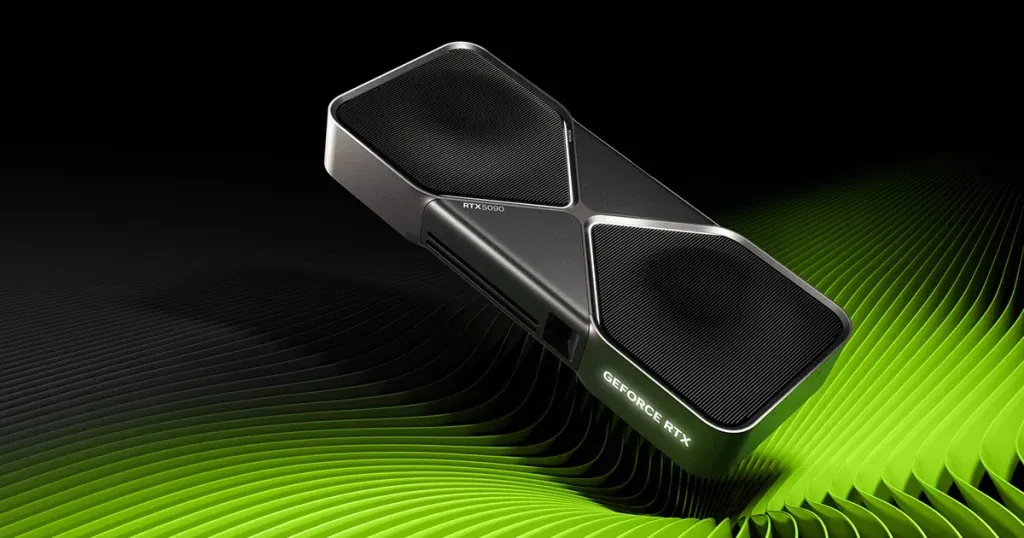 More Tech NewsIs the RTX 5090 Discontinued? NVIDIA Says No, but It’s Vanished From Shelves and Prices Have Hit $8,500Oct 20, 2026