
Hytale Release Date January 13, 2026 — What You Need to Know
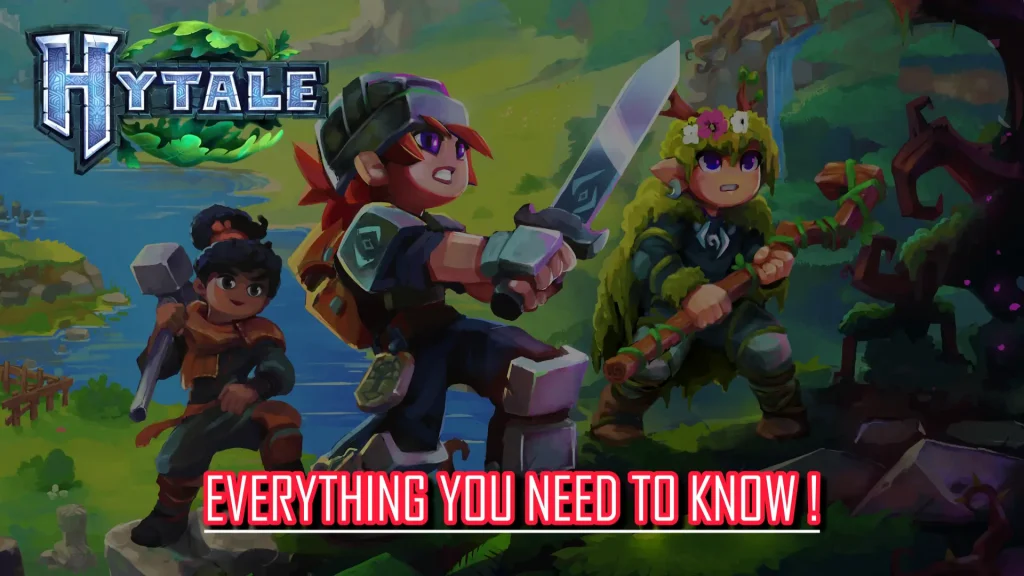
The Hytale release date January 13 2026 is finally official, bringing an end to one of the longest and most closely followed development journeys in modern sandbox gaming. After years of silence, major technical reworks, shifting leadership, and widespread doubt about its future, Hytale is preparing to enter Early Access with a clearer vision and a far more stable foundation than ever before.
For many players, this announcement feels surreal. Hytale has existed in a strange limbo since its original reveal, constantly discussed but never released, and often used as an example of how ambition can both inspire and delay a project. However, the confirmation of a January 2026 launch signals something important: Hytale is no longer a promise, but a product that is finally ready to be played, tested, and shaped by its community.
In this article, we break down exactly what Hytale is, why the Hytale release date of January 13 2026 matters, how the game plays in its current form, what content is coming at launch, and how servers, modding, and community tools are expected to define its long-term success.
What Is Hytale?
Hytale is a sandbox role-playing game designed to combine open-ended creativity with structured progression systems, deep exploration, and powerful creation tools that allow players to shape their own experiences.
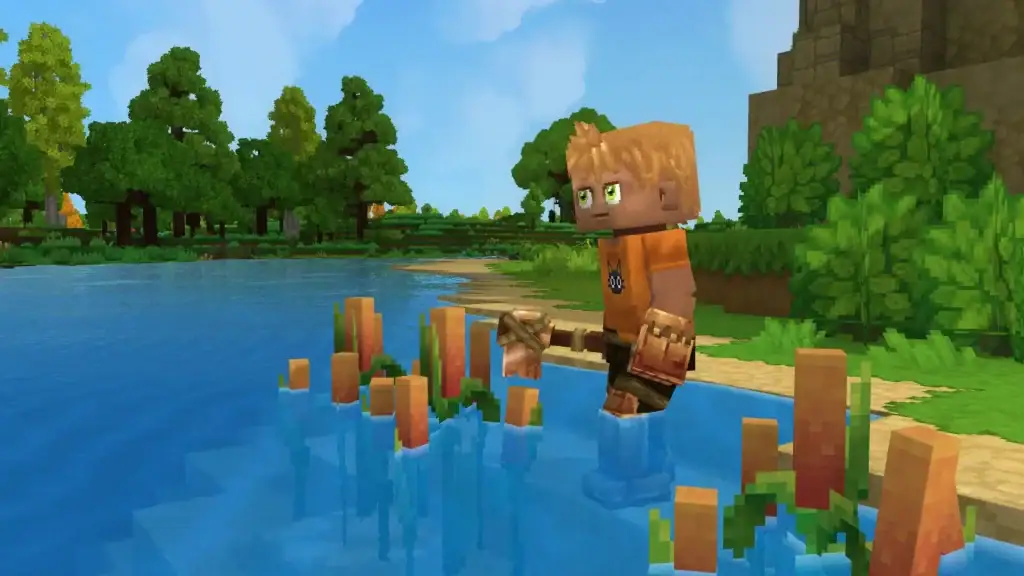
At its core, Hytale is not simply a block-building game. While it uses a voxel-based visual style, the game places a much stronger emphasis on adventure, world design, and player-driven systems than many traditional sandbox titles. Exploration, combat, crafting, storytelling, and modding are all designed to work together rather than existing as separate features.
The Hytale release date of January 13 2026 marks the moment when this long-term vision finally becomes playable, even if the game itself will continue to evolve through Early Access.
A Sandbox Game Designed as a Platform
Hytale is best understood as a platform rather than a finite experience. Instead of guiding players through a fixed storyline and ending credits, the game provides tools and systems that allow worlds, modes, and communities to grow organically over time.
Players can explore procedurally generated worlds filled with biomes, dungeons, and enemies, while creators can use the same tools to build entirely new game modes, custom servers, or narrative-driven experiences that feel closer to standalone RPGs than traditional mods.
This approach is central to why the Hytale release date January 13 2026 is so significant, as it represents the starting point of an ecosystem rather than a finished product.
Why the Hytale Release Date Matters
The announcement of Hytale’s release date carries far more weight than a typical launch window, largely because of the project’s history and the expectations that have followed it for nearly a decade.
A Development Cycle Defined by Ambition
Hytale was first revealed in 2018 with a trailer that immediately captured attention across the gaming industry. The video showcased a sandbox world that felt alive, filled with varied environments, dynamic combat encounters, and clear RPG influences that set it apart from existing games in the genre.
However, as development continued, it became clear that the original engine was not capable of supporting the scope the developers envisioned. Instead of scaling back features, the team made the difficult decision to rebuild Hytale from the ground up, a move that dramatically extended development but ultimately allowed for far greater flexibility.
This decision delayed the game for years, but it also ensured that the foundations could support long-term updates, modding, and large multiplayer communities, which are essential for a sandbox platform.
Why Early Access Is the Right Choice
The Hytale release date January 13 2026 marks the start of an Early Access period rather than a full commercial launch, and that distinction is important. Early Access allows the developers to gather real player data, feedback, and community input while continuing to expand the game’s systems.
For a sandbox RPG that relies so heavily on player creativity and long-term engagement, this approach makes far more sense than attempting to deliver a “finished” product on day one. Systems such as combat balance, progression pacing, and server performance benefit enormously from large-scale testing, and Early Access provides the framework to do exactly that.
Exploring the World of Hytale
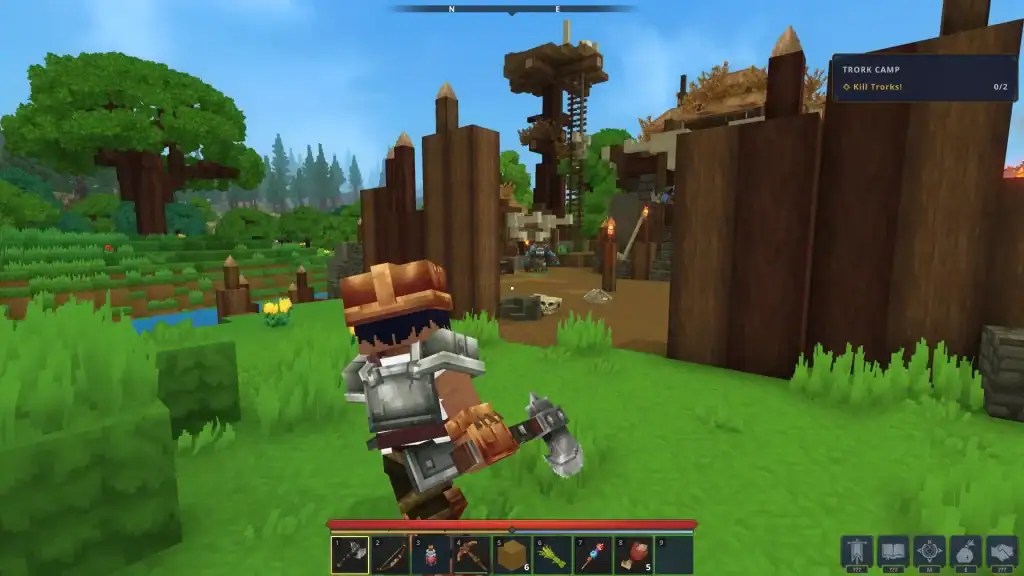
World design is one of Hytale’s strongest pillars, and it plays a major role in how the game differentiates itself from other sandbox titles.
Procedural Generation With Intent
Hytale worlds are procedurally generated, but they are not random in the traditional sense. Instead of simply scattering biomes and structures across a map, the game uses layered generation rules that ensure each region feels purposeful and cohesive.
Biomes are designed with specific themes, enemy types, and resources, creating natural progression paths that encourage exploration without forcing players down a rigid route. This design philosophy ensures that wandering off the main path often leads to meaningful discoveries rather than empty terrain.
Zones, Dungeons, and Environmental Storytelling
Each world is divided into zones, which act as both geographical and difficulty markers. Early zones provide safer environments and introductory encounters, while later zones introduce more dangerous enemies, complex dungeons, and higher-tier rewards.
Dungeons are a standout feature, offering handcrafted layouts that include puzzles, combat encounters, and hidden secrets. Instead of relying on quest markers or exposition, Hytale uses environmental storytelling to communicate lore, allowing players to piece together narratives through exploration.
Combat, Creatures, and Progression Systems
Combat in Hytale is designed to feel responsive, tactical, and varied, avoiding the repetitive or overly simplistic mechanics often found in sandbox games.
Weapon Variety and Player Choice
Players can choose from a wide range of weapons, including melee options, ranged tools, and magical abilities, each with distinct mechanics and strengths. Combat rewards positioning, timing, and awareness rather than raw statistics, encouraging players to adapt their approach based on enemy behavior.
Rather than locking players into rigid classes, Hytale allows for flexible builds that evolve over time, supporting experimentation and creative playstyles.
Enemies and Boss Encounters
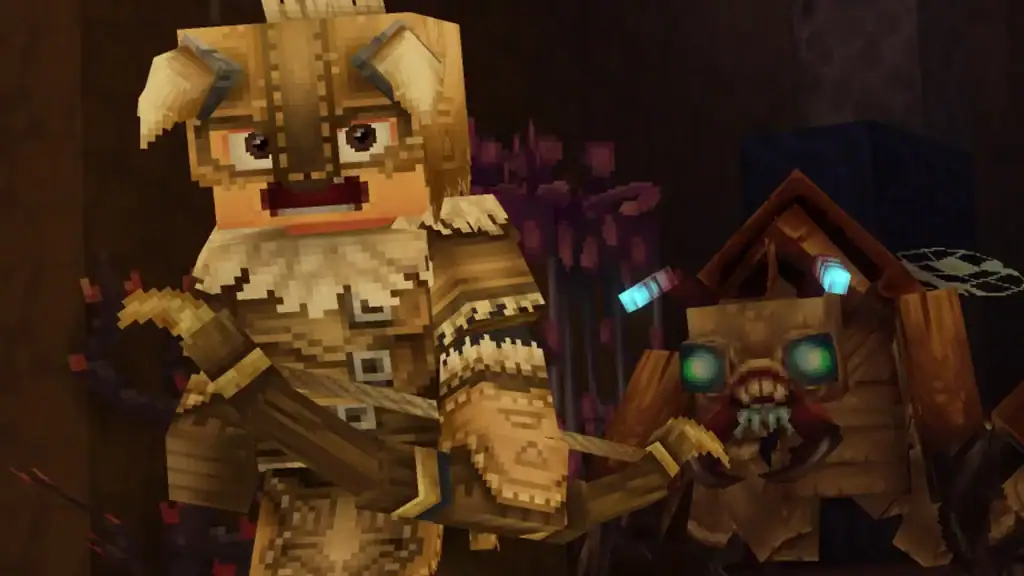
Enemy design varies significantly across zones, with creatures behaving differently depending on their environment and role within the ecosystem. Some enemies rely on group tactics, while others use ambush mechanics or environmental advantages.
Boss encounters are designed around mechanics rather than damage output, requiring players to learn patterns, react to phases, and coordinate effectively in multiplayer scenarios.
Creative Mode and Building Tools
Creative freedom is central to Hytale’s identity, and the game’s creative tools are designed to empower both casual builders and experienced creators.
Advanced Building and Terrain Tools
Creative Mode allows players to sculpt terrain, place assets, and modify environments in real time, making large-scale construction projects far more accessible than traditional block-by-block building.
These tools are designed for collaboration, allowing multiple players to work together on complex builds without technical friction.
Animation, Scripting, and Custom Content
Hytale includes built-in tools for animation and scripting, enabling creators to design interactive objects, NPC behaviors, and custom mechanics without requiring extensive programming knowledge.
This opens the door to highly polished community content that goes far beyond cosmetic mods.
Modding in Hytale: A Core Pillar
Modding is not treated as an optional feature in Hytale. It is a fundamental part of the game’s architecture.
Server-Side Modding by Design
Mods in Hytale run server-side, allowing players to join modded servers without downloading separate client files. This design dramatically lowers the barrier to entry for multiplayer experiences and ensures consistency across communities.
Full Game Mode Creation
Creators can build entirely new game modes, altering combat rules, progression systems, and user interfaces. This flexibility positions Hytale as a platform capable of hosting experiences that rival standalone games.
Multiplayer and Community Servers
Multiplayer is where Hytale is expected to thrive long-term, with servers acting as the backbone of the community.
Player-Run Servers and Custom Worlds
Hytale supports dedicated servers at launch, enabling communities to host public or private worlds with custom rules, mods, and economies. This mirrors the success of classic sandbox communities while offering far greater technical flexibility.
GTXGaming and Hytale Server Hosting
GTXGaming is already preparing dedicated hosting solutions for Hytale, offering reliable performance, mod support, and intuitive control panels designed for both newcomers and experienced server owners.
GTXGaming’s Hytale server hosting aims to simplify the process of launching and managing a server, making it easier for communities to establish themselves during Early Access.
You can learn more here:
https://www.gtxgaming.co.uk/hytale-server-hosting/
Strong hosting will be essential during the Early Access period, where server stability can define a community’s success or failure.
Visual Style and Technical Direction
Hytale’s visual identity uses a stylised voxel art style that prioritises clarity, performance, and long-term appeal.
A Style Built to Last
The game avoids realism in favor of clean textures and expressive lighting, ensuring that environments remain readable and visually appealing even during intense gameplay moments.
Performance and Scalability
The rebuilt engine focuses on scalability, allowing Hytale to run on a wide range of hardware while supporting large worlds and active multiplayer servers.
What to Expect at Launch
The Hytale release date January 13 2026 represents the beginning of a long-term journey rather than a final destination.
Early Access Content Scope
At launch, players can expect core biomes, progression systems, creative tools, and multiplayer functionality, with additional content planned through regular updates.
Post-Launch Support
The development team has committed to ongoing updates, community feedback integration, and transparent communication throughout Early Access.
Final Thoughts on Hytale’s 2026 Launch
The Hytale release date January 13 2026 feels earned after years of uncertainty and rebuilding. Hytale launches not as a rushed product, but as a carefully constructed platform designed to grow alongside its community.
If the systems hold up and the community embraces the tools on offer, Hytale has the potential to become one of the most influential sandbox platforms of the next decade.
Useful Links
Related Articles
Enjoyed this article? Share it with your friends on social media and spread the word!