

How to Play Rust in 2026: A Beginner’s Guide With 15 Tips for Your First Wipe
How to play Rust in 2026: our beginner's guide covers your first hour, gathering, building a base, the Tool Cupboard, monuments, wipes and staying alive.
Image: Facepunch Studios
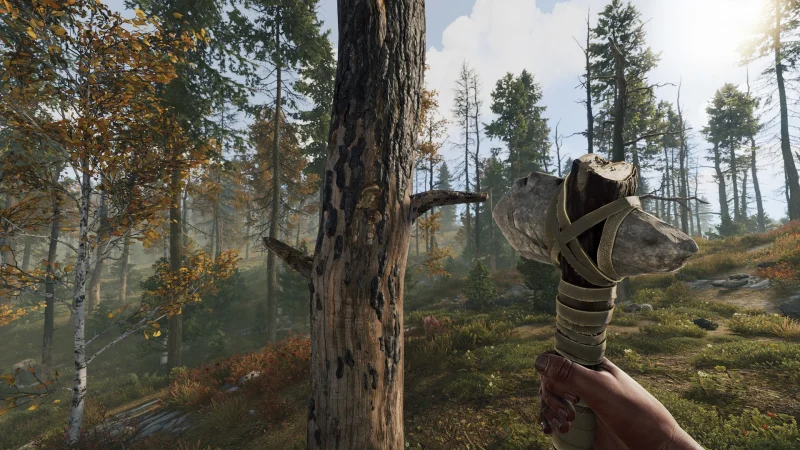
How to play Rust in 2026, in one sentence: you wake up on a beach with a rock and a torch, and everything after that is up to you and the people you meet. Facepunch's survival game is one of the most played on Steam, with a big update every month, and it can be brutal for new players. This guide walks you through your first hour, your first base and your first wipe, with 15 tips we wish we'd known.
Rust at a glance
| Developer | Facepunch Studios |
| Platforms | PC (Steam); console edition separate |
| Price | £34.99 / $39.99 / €39.99 on Steam |
| Modes | Online multiplayer: official, community and modded servers |
| Updates | A major update on the first Thursday of every month |
| Latest update | Printed and Polished (5 November 2026) |
| Players | About 81,500 on Steam (11 November) |
| Our review | 8.5/10 |
What is Rust?
Rust is a multiplayer survival game. Your only goal is to survive: gather resources, craft tools and weapons, build a base and protect what you have from the cold, hunger, animals, scientists and, above all, other players. Servers wipe on a schedule, so everyone starts again from nothing, which is part of what keeps it fresh.
15 tips for new Rust players
1. Use your rock and torch straight away
Hit trees for wood and rocks for stone with your rock. Pick up hemp (cloth) and mushrooms as you go. Your first goal is a stone hatchet and a stone pickaxe, which gather much faster.
2. Craft a bow and a spear
A wooden spear and a hunting bow are your first weapons. They let you hunt animals for food and cloth, and defend yourself from other fresh spawns.
3. Make a sleeping bag early
A sleeping bag lets you respawn near your base instead of on a random beach. Place one somewhere hidden as soon as you can.
4. Build a small base fast
Use a building plan and a hammer to place foundations, walls and a doorway. A small 1x1 or 2x1 base is plenty to start. Upgrade wood to stone as soon as you can, because wood is easy to break.

5. Place a Tool Cupboard
The Tool Cupboard stops other players building around your base and handles upkeep: keep materials in it or your base slowly decays. Authorize yourself on it, and keep it behind as many doors as possible.
6. Lock everything
Put a lock on every door. A key lock is a start; a code lock is much safer. Never leave your door open when you log off.
7. Don't carry what you can't lose
When you die, everything you're carrying can be looted. Store spare resources at home and only take what you need on a run.
8. Smelt metal in a furnace
Build a furnace, add wood, and smelt metal and sulfur ore. Metal fragments unlock better building tiers, tools and weapons.

9. Visit monuments for scrap
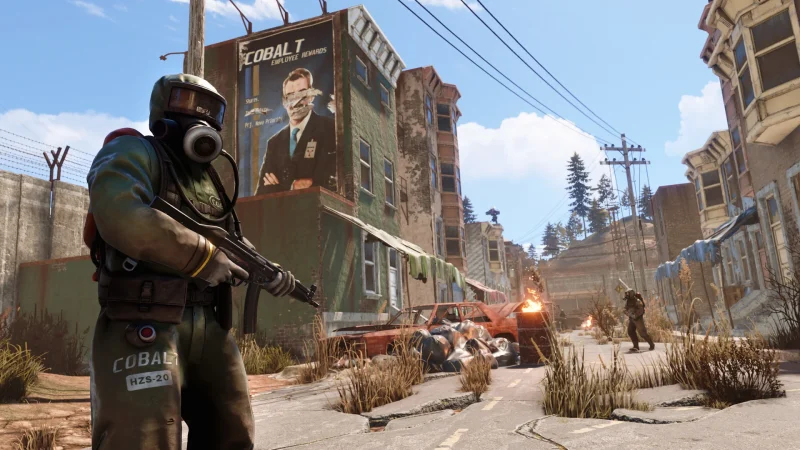
Monuments are abandoned locations full of loot crates, barrels and recyclers. Recycle components into scrap, which you spend on blueprints and workbenches. Some monuments have radiation, so wear protection.
10. Learn how blueprints work now
Facepunch's November 2026 update, Printed and Polished, reworked blueprints into fragments, pages and books. Expect progression to feel different if you last played before November.
11. Use the safe zones
Outpost and Bandit Camp are safe zones where you can trade, buy items and use vendors without being shot. They're the best place for a new player to turn scrap into gear.
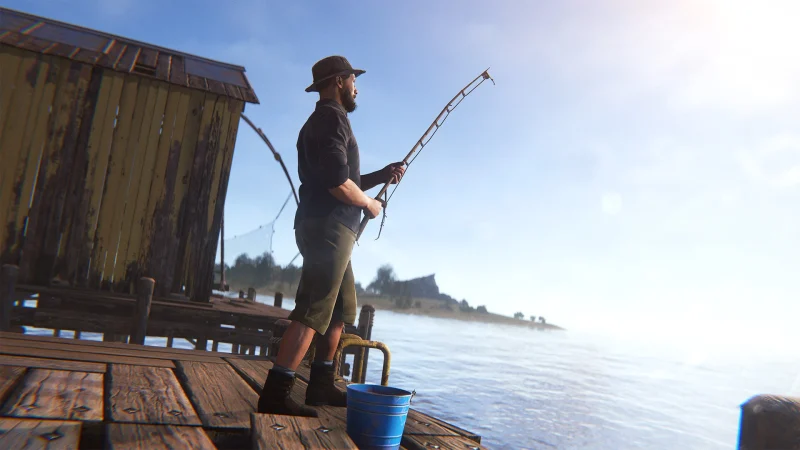
12. Hunt, farm and fish for food
Animals give meat and cloth, and you can farm crops and, since October, raise livestock. Fishing is a quieter way to stay fed. See our livestock guide.

13. Play with friends or a group
Rust is much easier in a team. Create a team in-game, split jobs (farming, building, scouting) and protect each other. Solo is possible, but it's the hard way to learn.
14. Pick a server that suits you
Official servers are the vanilla experience. Community and modded servers can change gather rates, group limits and wipe schedules, and some are made for beginners. Check the wipe day before you join: a fresh wipe is the best time to start.
15. Expect to get raided
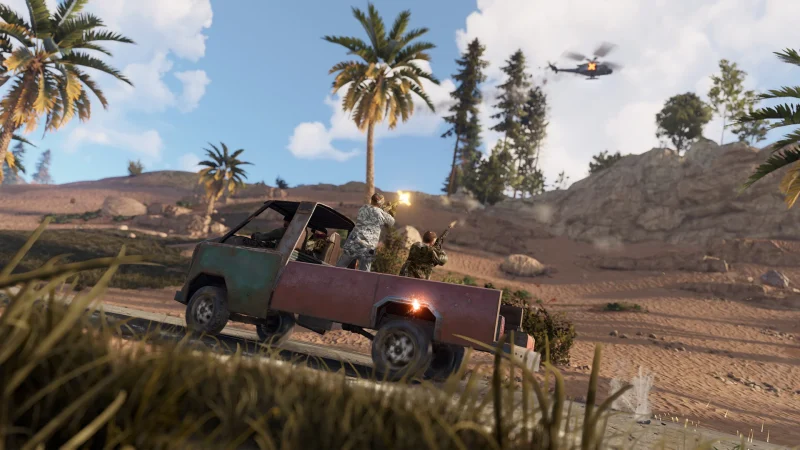
Every base can be raided, especially when you're offline. Hide your loot in several places, build honeycomb walls around your Tool Cupboard, and don't take it personally. It happens to everyone.

Is Rust worth playing in 2026?
Yes. In our Rust review we scored it 8.5/10 for its great community, constant monthly updates and real survival tension, though raiding can be painful. It costs £34.99 / $39.99 / €39.99 on Steam.
Is there a Rust trailer?
Official trailers and update videos play on the Rust Steam page.
More Rust on iGame Magazine
- Rust Review After 1,194 Hours: A Brilliant Community, Constant Updates and Raids You’ll Love to Hate: our review after 1,194 hours
- Rust Livestock Update: How to Farm Cows and Sheep, Sell at the Stables and Use Milk and Wool: how livestock farming works
- Rust Naval Update 2026 – Is Rust Still Worth Playing This Year?: the 2026 naval update
FAQ

David Ware is the Founder and Editor-in-Chief of iGame Magazine. Since 2024 he has built igamemag.com into a trusted online destination for gamers and tech enthusiasts, covering the latest gaming news, in-depth game reviews, hardware and tech breakdowns, and practical guides.
How we write: every article is researched from official sources, such as developer posts, store pages and press releases, then fact-checked and edited by David Ware before it's published. We use AI tools to help with research and drafting.
Related on iGame
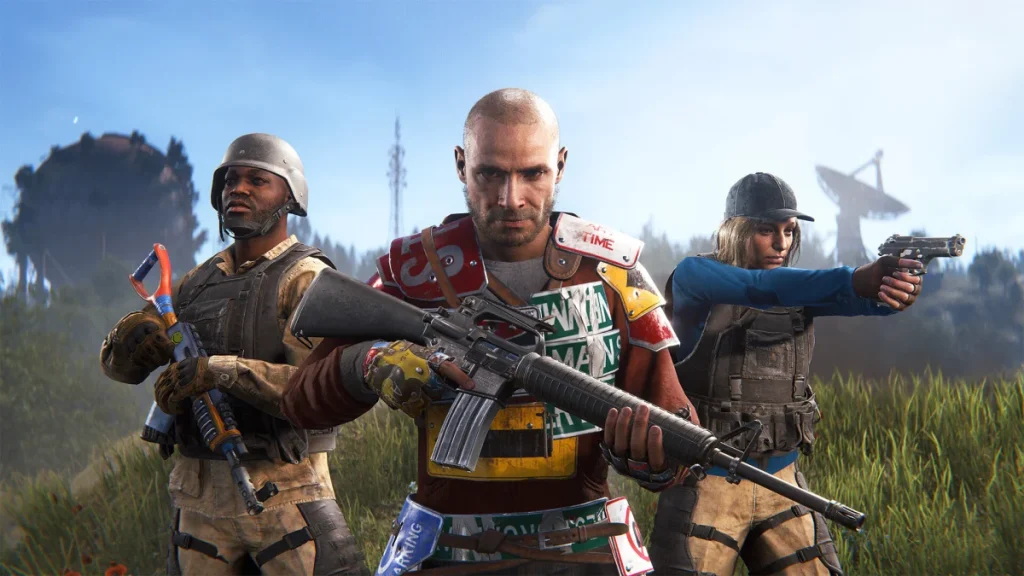 Our Rust reviewRust Review After 1,194 Hours: A Brilliant Community, Constant Updates and Raids You’ll Love to HateNov 8, 2026
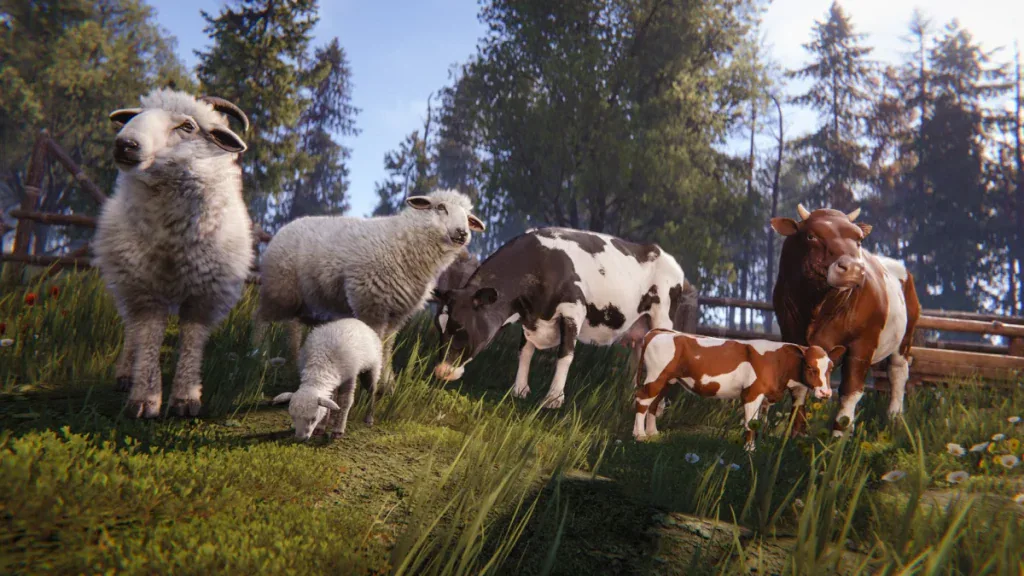 How livestock farming worksRust Livestock Update: How to Farm Cows and Sheep, Sell at the Stables and Use Milk and WoolOct 21, 2026
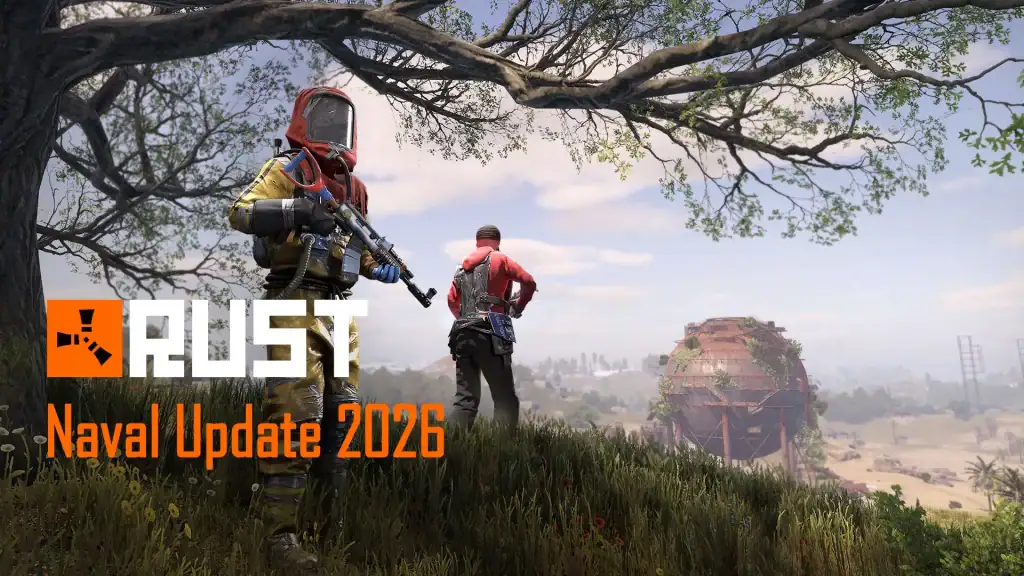 More Rust newsRust Naval Update 2026 – Is Rust Still Worth Playing This Year?Feb 23, 2026
 More Rust newsRust: A Journey from Survival Simplicity to Genre MasterpieceJan 13, 2025
 More Rust newsRust 2.0 World Update Brings Exciting Changes to the Game!Oct 4, 2024
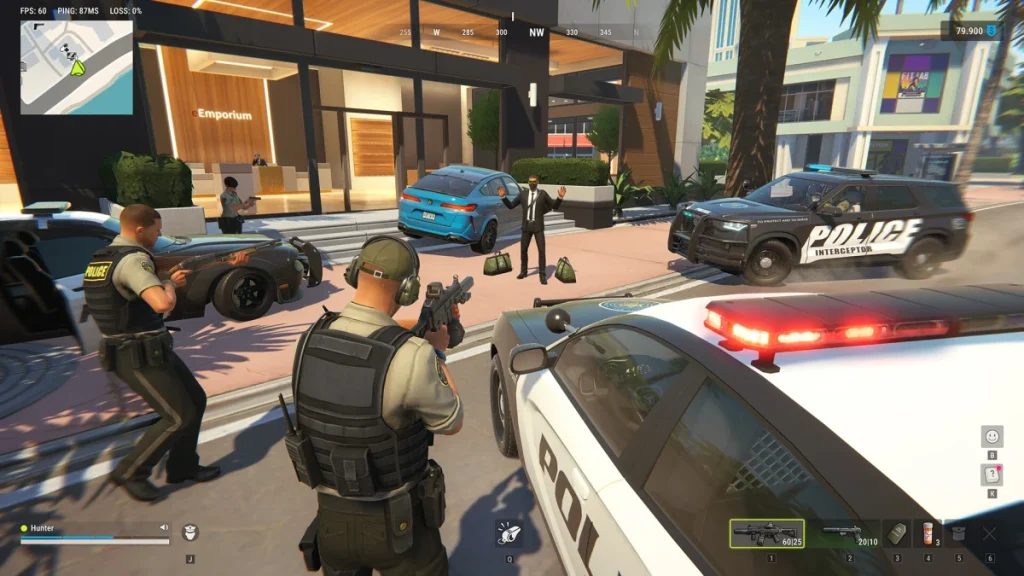 More GuidesROB RUN Wipe Explained: When Your Server Resets, What You Keep and “Leave the City Before the Feds Arrive”Nov 17, 2026